
Professional pest control can be expensive, and the chemicals involved may carry health risks. That combination is why so many households turn to DIY pest control first, reaching for vinegar, beer, soap, essential oils and a few other staples before calling in a service. The fourteen methods below cover biting insects outdoors, ants and fruit flies indoors, slugs and plant pests in the garden, wasps around the eaves, and roaches and bed bugs in the darkest corners of a home. Each entry notes what it targets, what it takes, and — where relevant — how often it must be repeated or where safety cautions apply.
Keeping mosquitoes and biting flies away from the patio
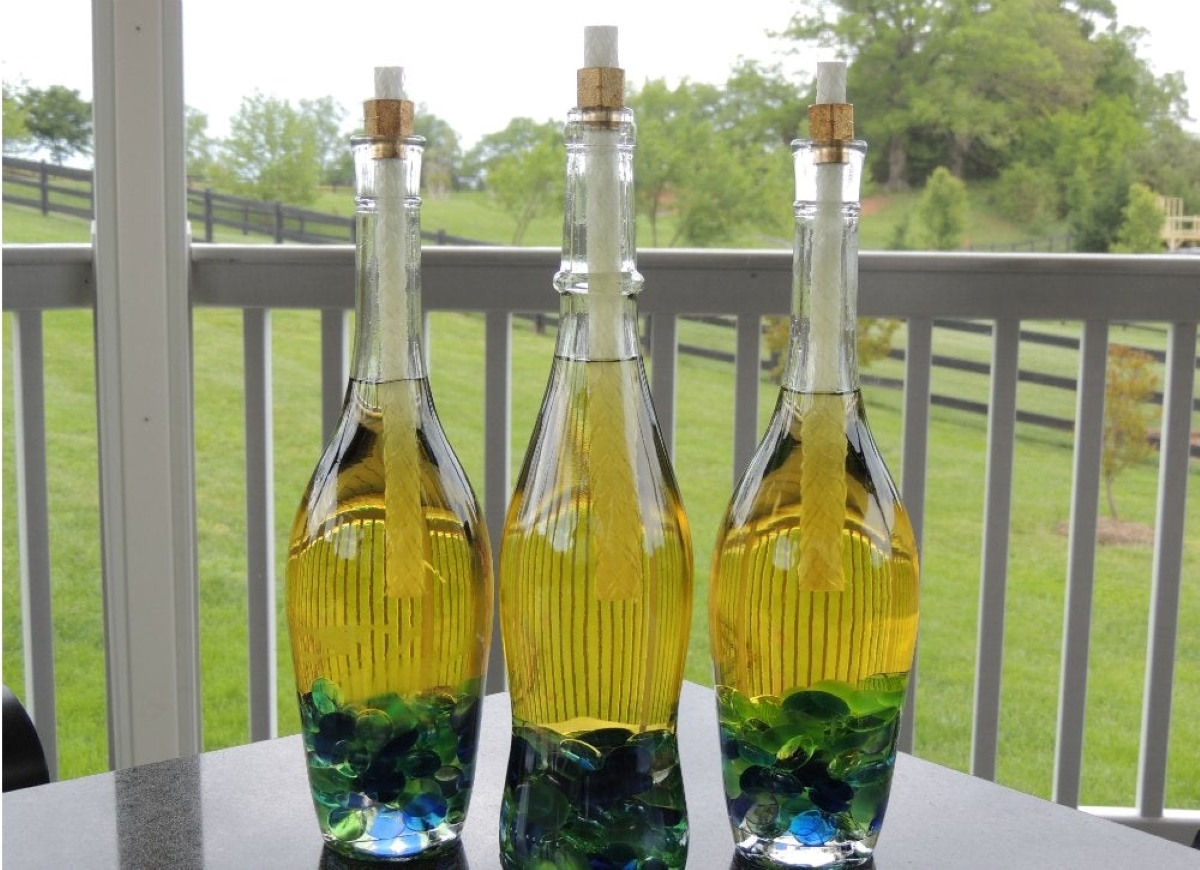
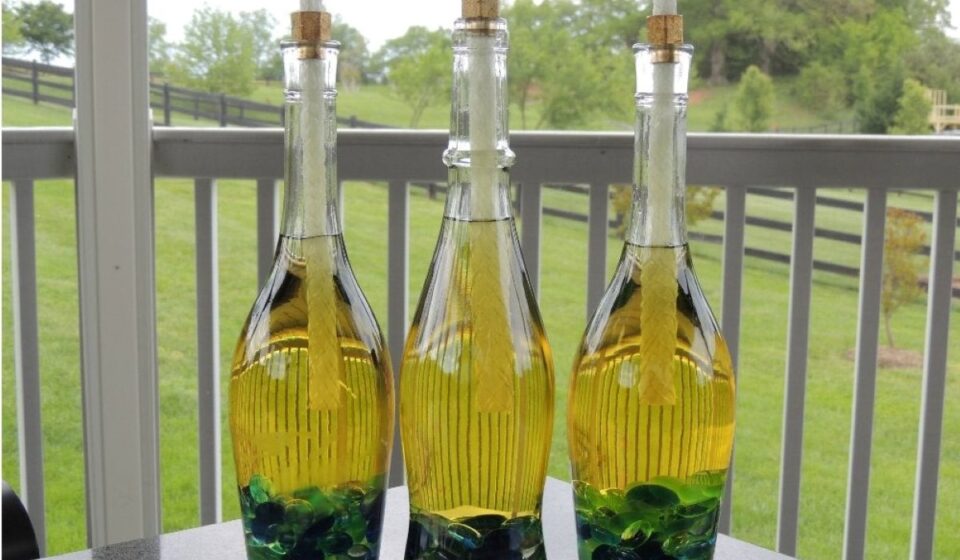
A wine bottle can become a citronella torch with modest effort. Fill the bottle partly with sand, stones or marbles — roughly one to two-thirds full — then pour citronella lamp oil up to the neck. A cotton rope wick threaded through a drilled cork completes the build. Lit outdoors, the torch is meant to repel mosquitoes and biting flies.
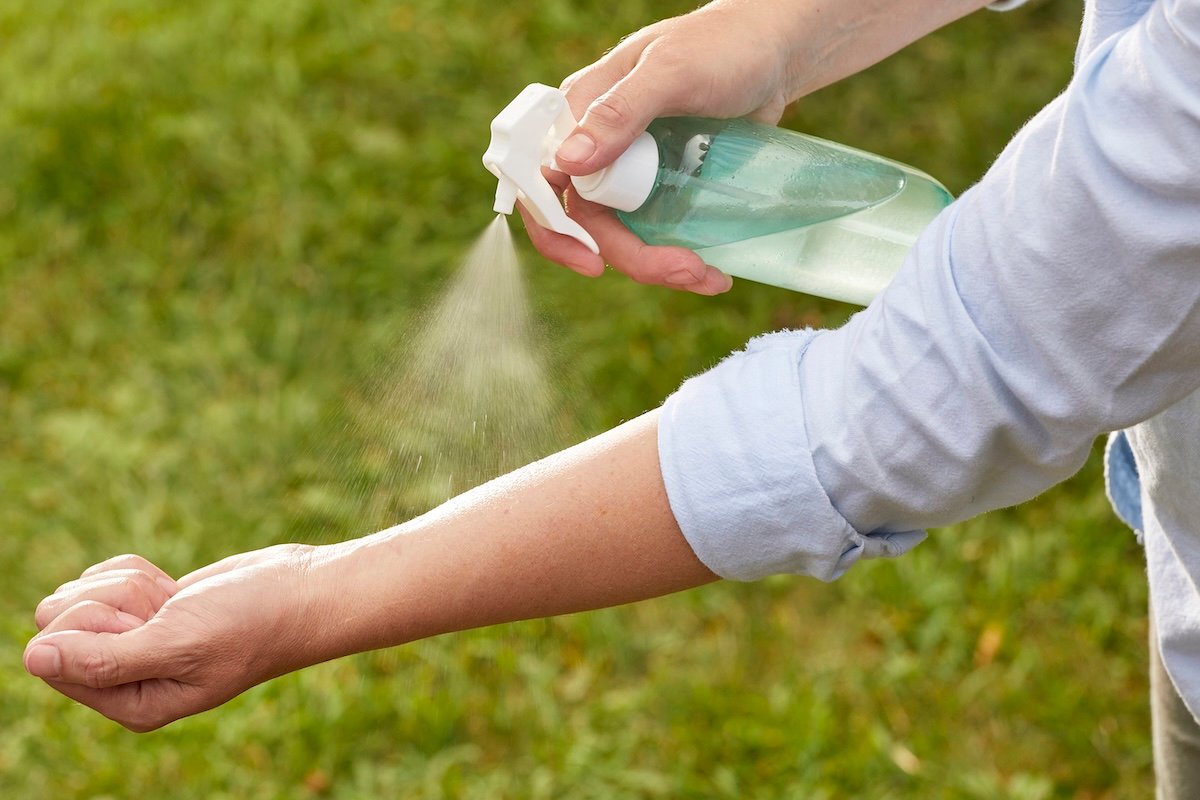
For a repellent that goes on skin rather than into the air, the recipe is a blend of witch hazel, distilled water and essential oil. Use 2 ounces of witch hazel, 2 ounces of distilled water and 10 to 15 drops of oil. Citronella, lavender and lemongrass are the listed options.
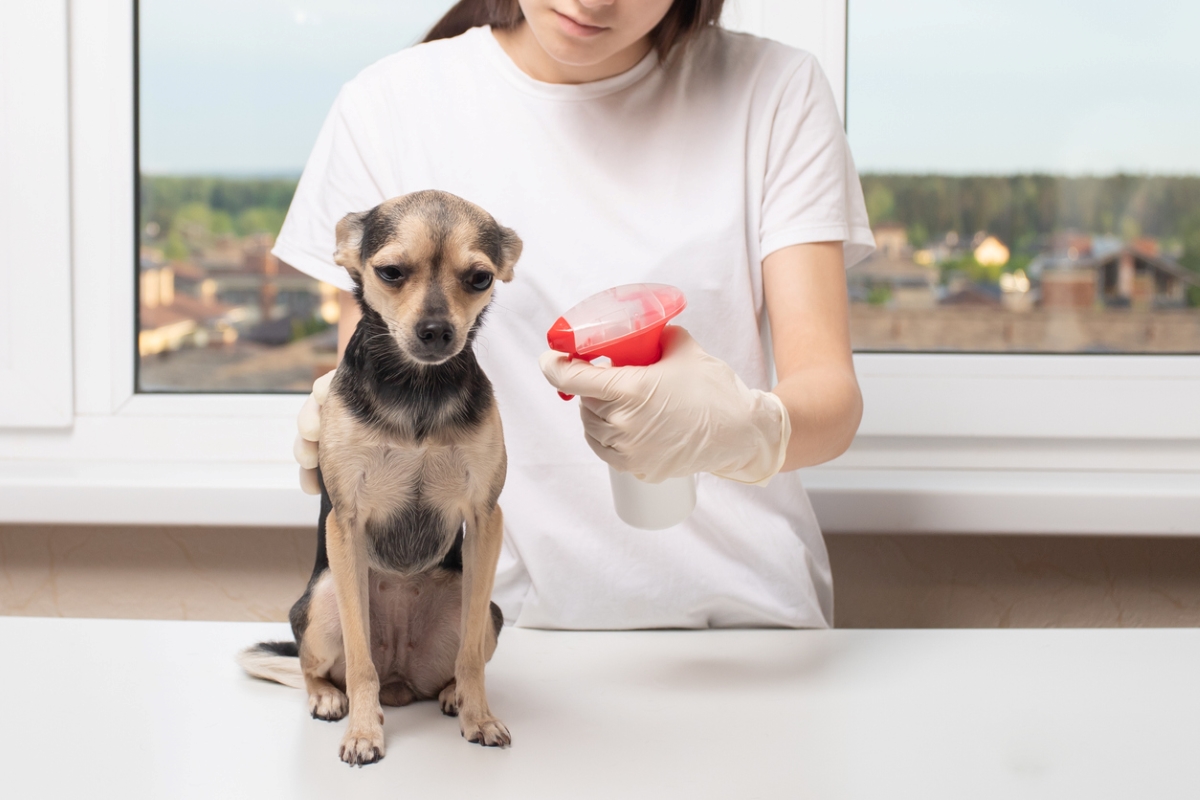
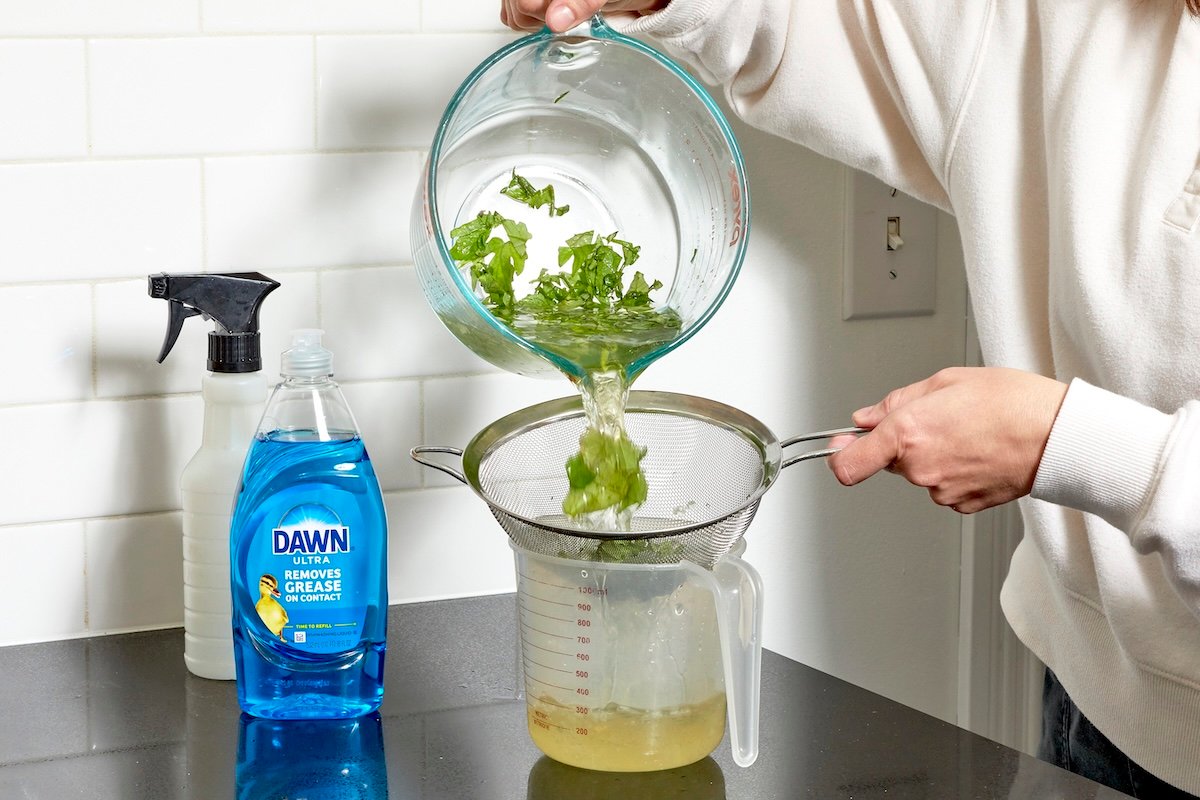
Pets need a different mix. Simmer water with sliced lemon and fresh lavender for 30 minutes, then strain the liquid and add 2 tablespoons of alcohol-free witch hazel. Mist the result and rub it into the animal’s fur before outdoor exposure.
Ants, fruit flies and the kitchen counter
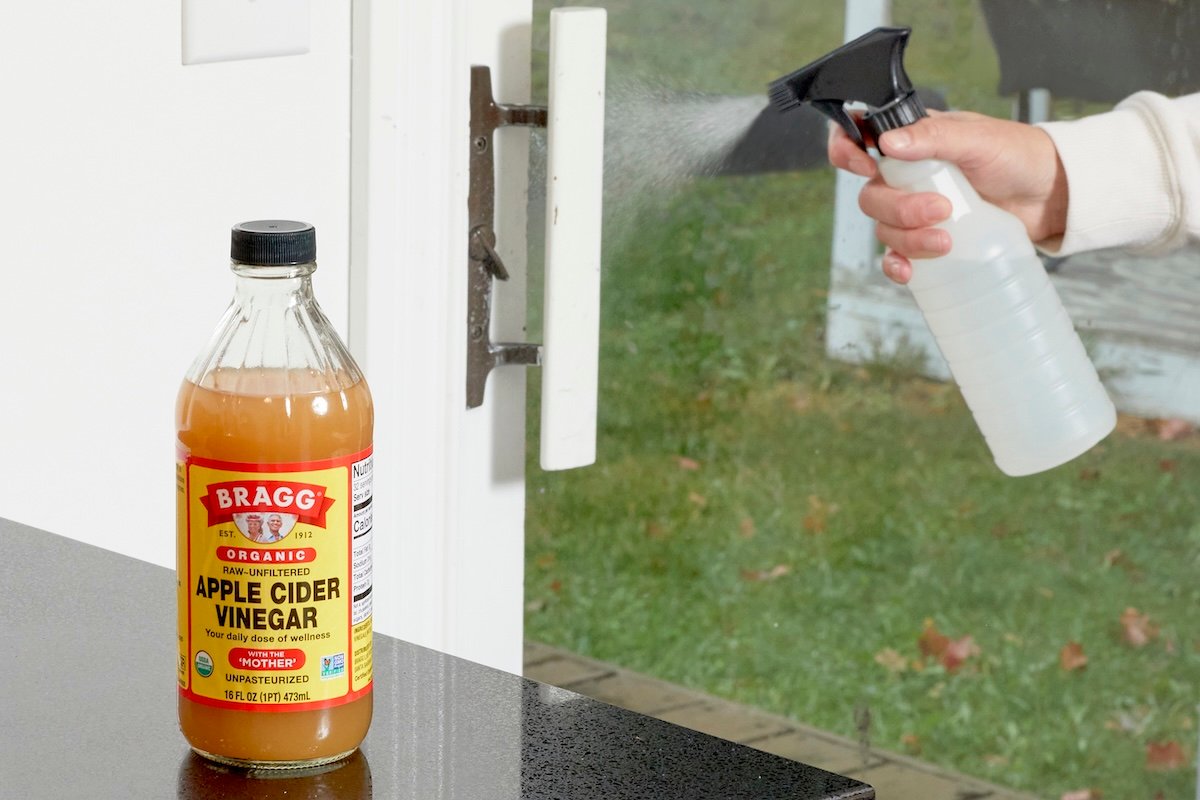
Ants can be deterred with equal parts apple cider vinegar and water. Apply the solution to countertops, floors, walls and other surfaces where the insects travel.
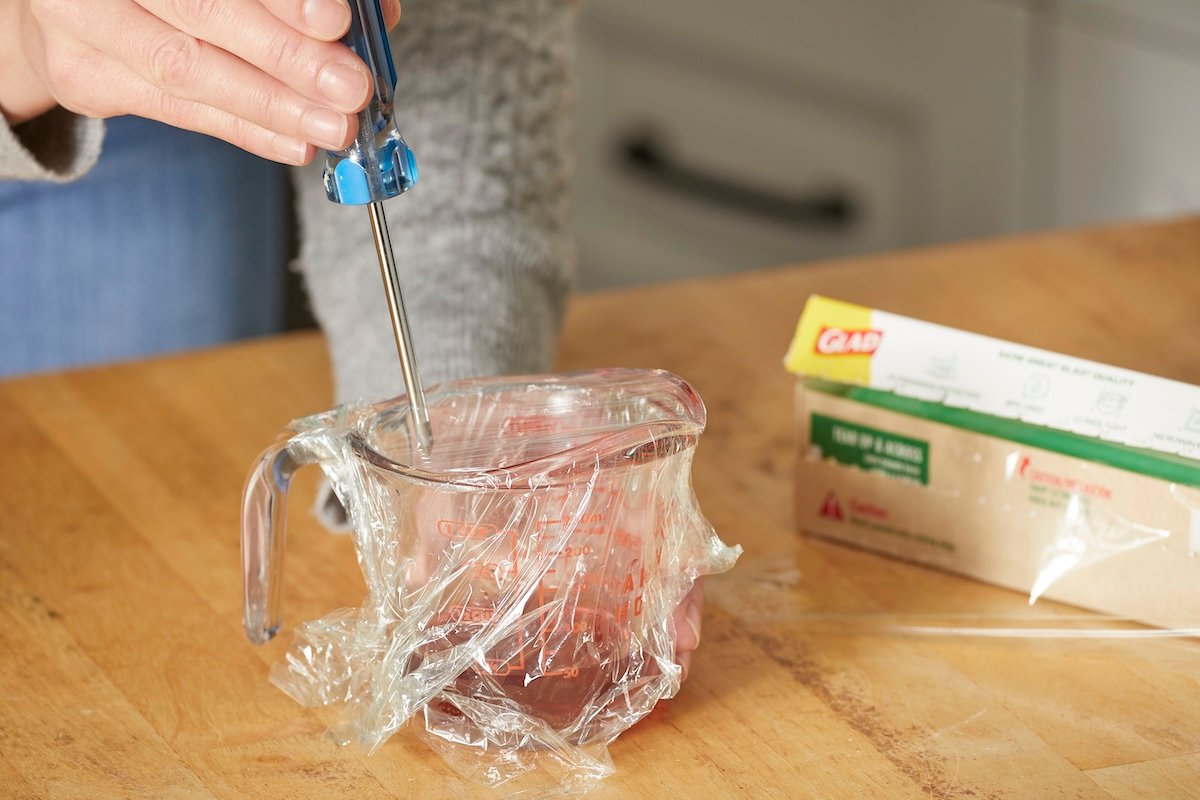
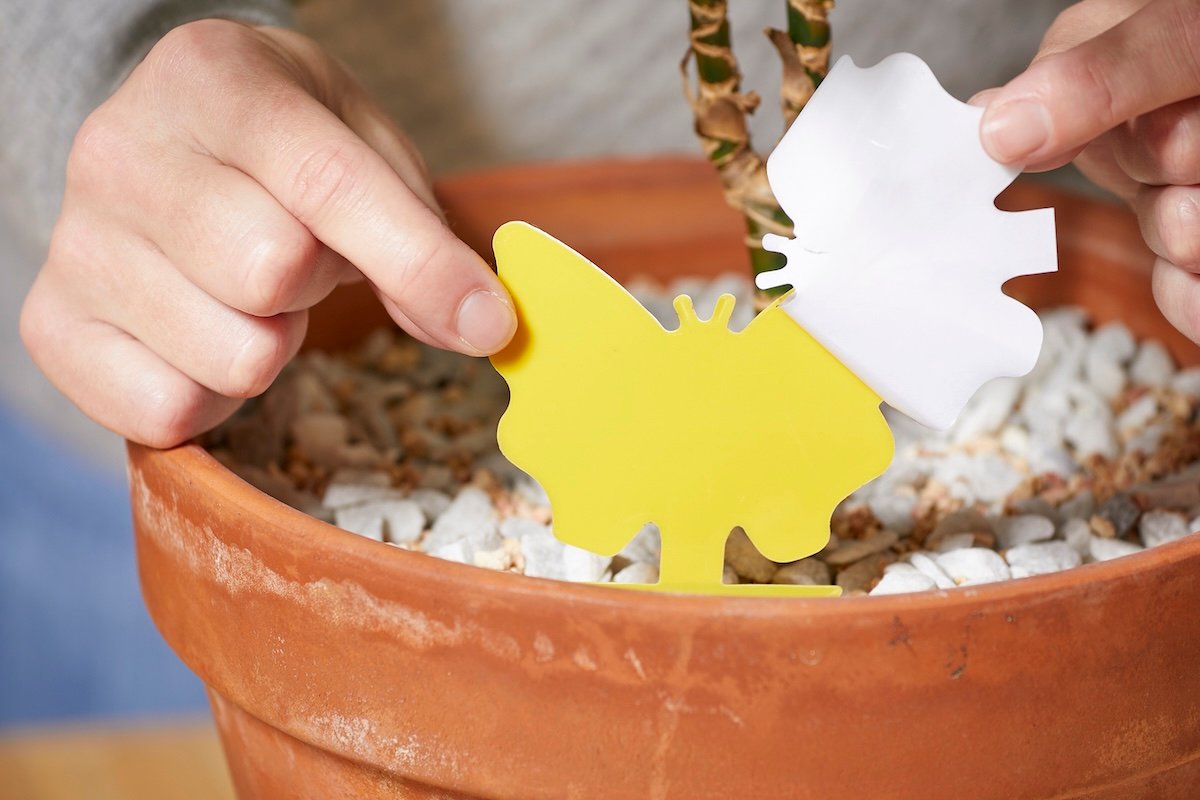
Fruit flies call for a trap rather than a wipe-down. Combine apple cider vinegar with dish soap in a container, cover it with plastic wrap, and pierce the wrap with small holes. The flies enter and do not find their way out.
Slugs in the beds and sprays for ailing plants
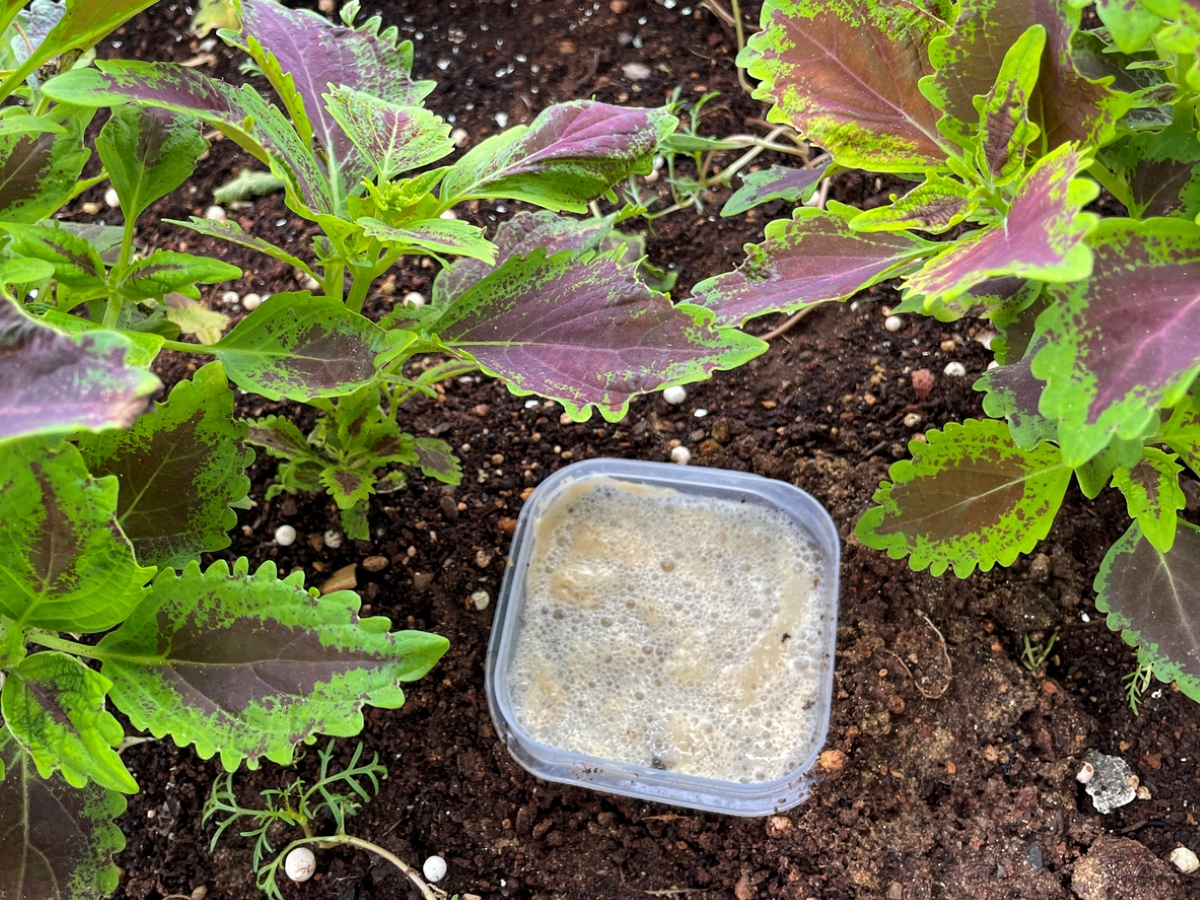
A beer trap works because fermented yeast attracts slugs, which then drown. Bury a container two-thirds deep in garden soil and fill it one-quarter with beer. The trap needs daily attention: empty it and refresh the beer each day.
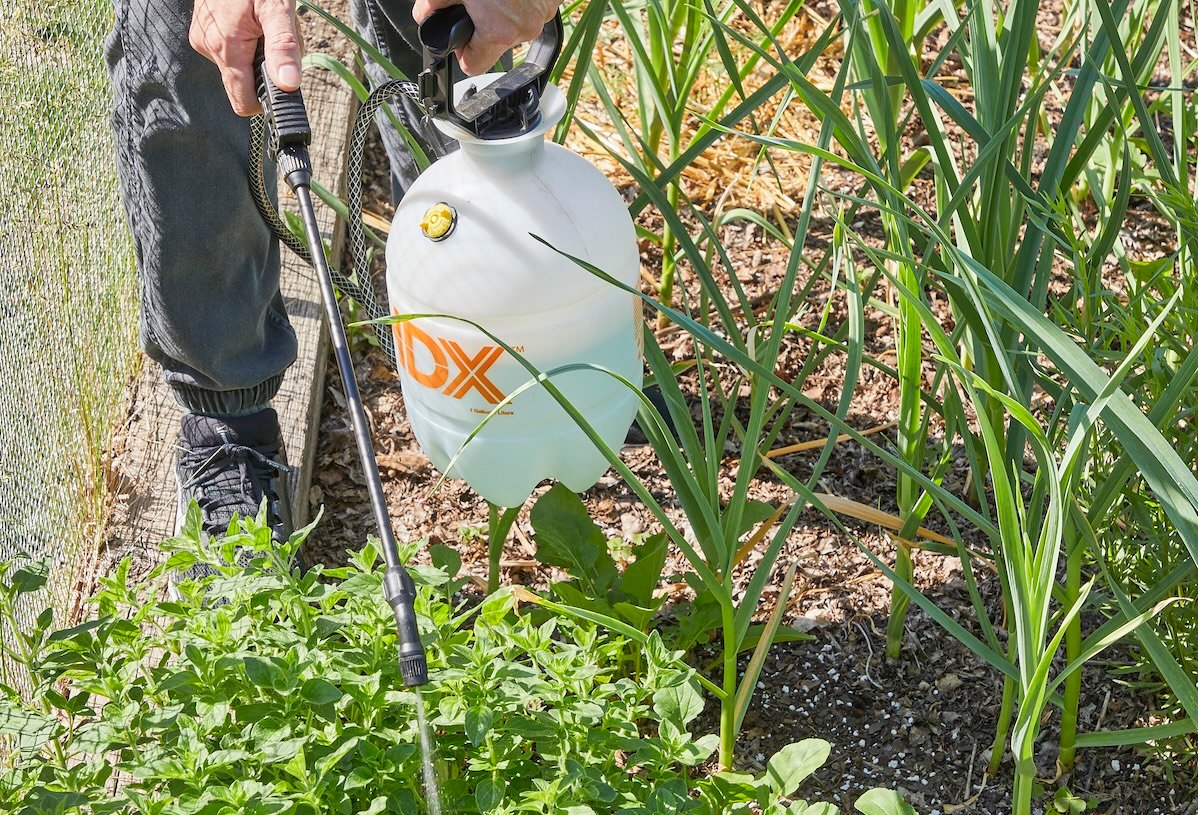
For insects on foliage, a spray of one-half cup rubbing alcohol and one quart liquid soap targets whiteflies, aphids, mealy bugs, scale insects and thrips. Let sprayed plants sit for 20 minutes, then rinse them. Apply at dusk to avoid leaf burn, and repeat every three days for two weeks.
Tomato leaves make another garden spray. Soak 2 cups of chopped leaves in one pint of water overnight. Strain the mixture, dilute it with another pint of water and add one-quarter teaspoon of liquid soap. The spray targets beetles, earworms and maggots.
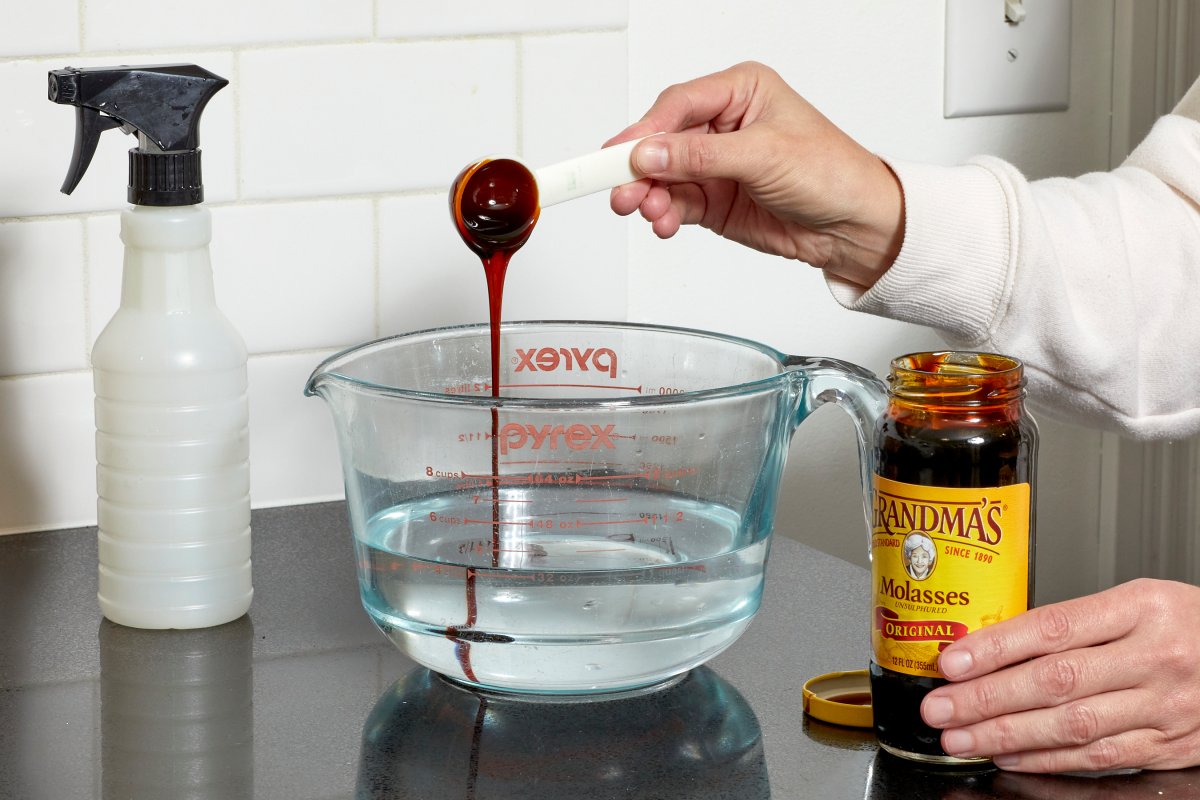
Molasses tea is aimed at soil and leaf pests alike. Dissolve 3 tablespoons of molasses in 4 cups of warm water, then apply every few days to plants and the surrounding soil. It targets nematodes, caterpillars and grasshoppers.
Wasp traps, baits and a nest spray
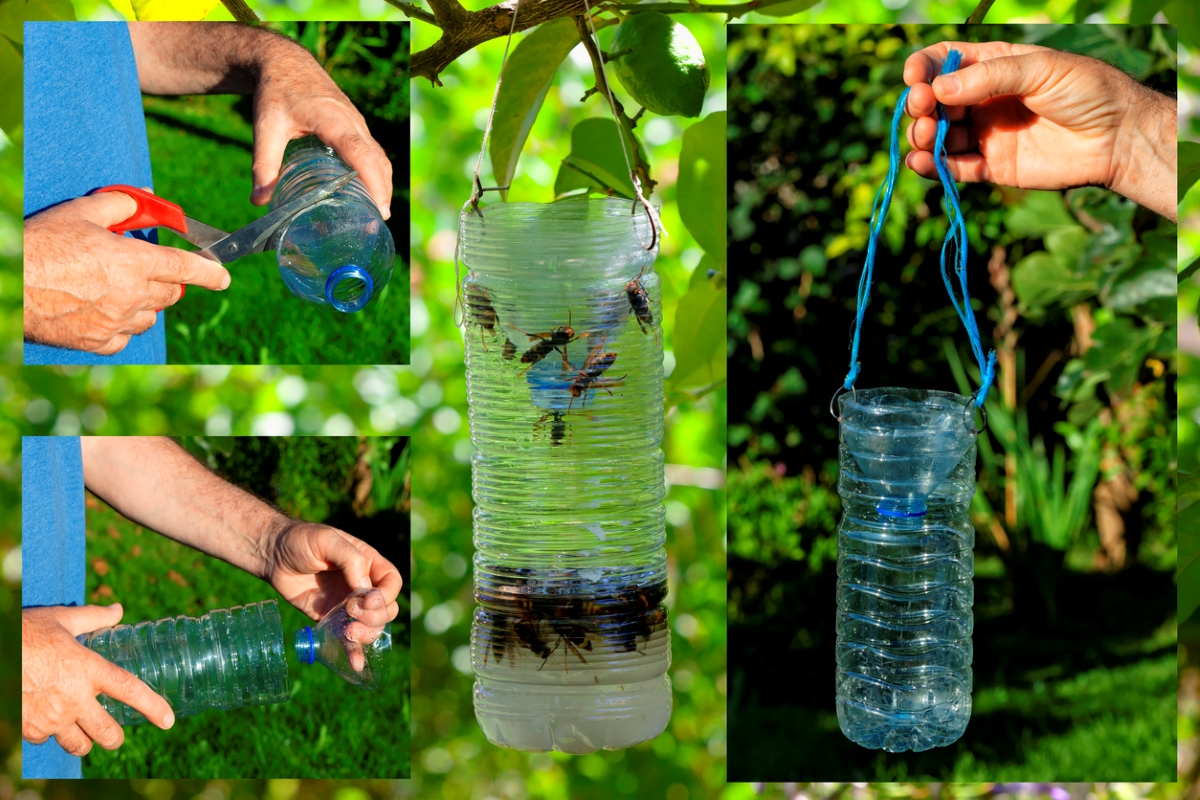
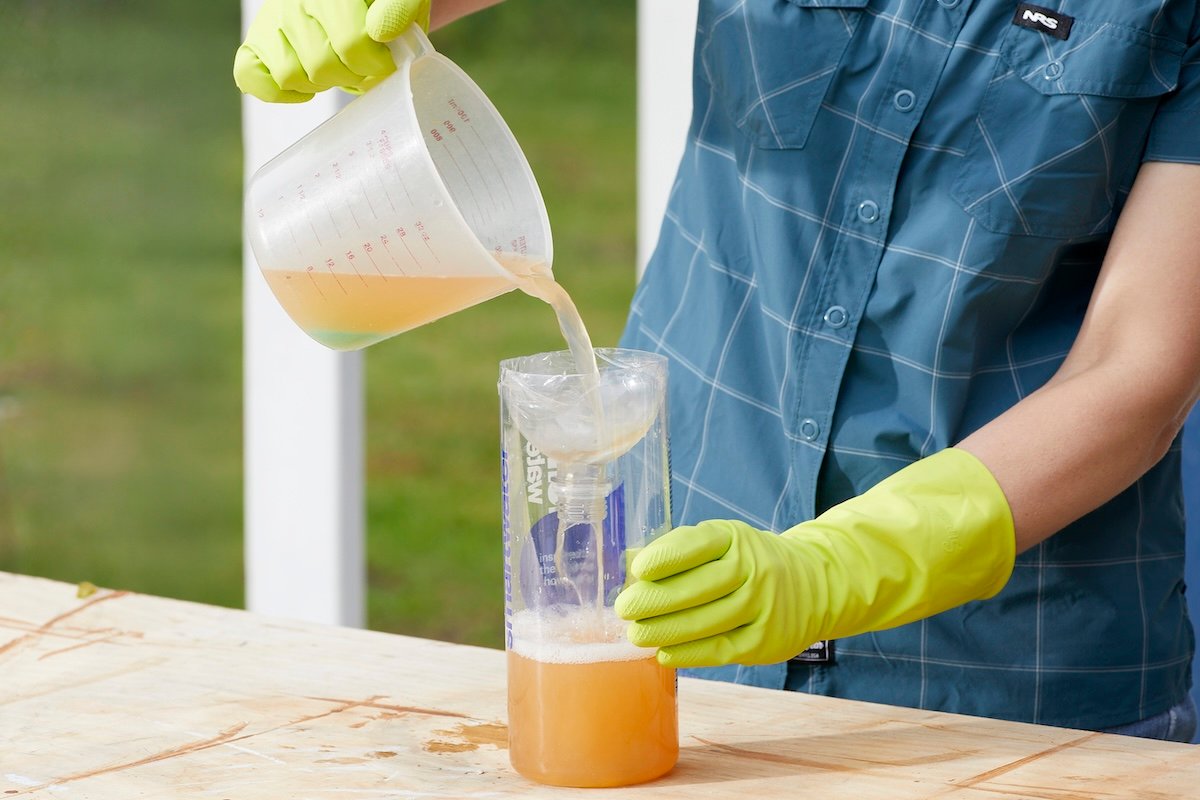
A water bottle cut and reassembled with its top inverted into a funnel makes a wasp trap. The bait changes with the season. In spring, use grease from cooked meat, water and dish soap. In summer, switch to sugary fruit preserves, water and dish soap.
Sticky traps can be made by boiling one quart of corn syrup with one quart of water. Brush the resulting glue onto brightly colored paper, then mount the paper on a stick, a clothespin or a string.
For nests themselves, combine 2 cups apple cider vinegar, 2 cups sugar and 1 cup water. Apply the spray to the nest and entry points from a safe distance, and do it in the evening when wasps are less active — timing that reduces sting risk. The same vinegar mixture can be used in a hanging trap placed near the nest.
Cockroaches and bed bugs
A cockroach bait mixes equal parts boric acid powder and sugar. Place it in dark corners, under appliances and along baseboards. Roaches carry the bait back to their nests, spreading the poison to others. The caution here is significant: boric acid bait poses a toxicity risk to children and small animals, so it should not be placed where they can reach it.
Diatomaceous earth is fossilized algae powder, applied to mattress seams, cracks, baseboards and the areas under appliances. Food-grade diatomaceous earth is the version considered safe for humans and pets, and that distinction matters when choosing a product.
What to keep in mind before mixing a batch
The appeal of these methods is that the ingredients are familiar and the recipes are specific. Several treatments, though, are not one-time fixes. The beer trap is emptied and refilled daily. The alcohol-and-soap plant spray runs on a three-day interval for two full weeks. The molasses spray goes on every few days. Results depend on following those schedules rather than improvising.
Safety notes are attached to the two treatments that work through toxicity or fine powder: boric acid and diatomaceous earth. The boric acid bait should be kept out of reach of children and small animals, and only the food-grade form of diatomaceous earth is described as safe for humans and pets. For the rest, the brief describes the natural pesticides as generally safe for humans, while chemical repellents are described as posing health risks — a contrast that explains much of the interest in homemade alternatives.
What these methods cannot promise is a like-for-like replacement for a professional service. The brief does not establish how they compare in effectiveness, how pest prevalence varies by region, whether repeated treatments carry long-term safety concerns, or what each method saves in cost. What it does provide is a set of recipes and trap designs with defined targets, ratios and timing — enough for a household to try a targeted fix before deciding whether to escalate.