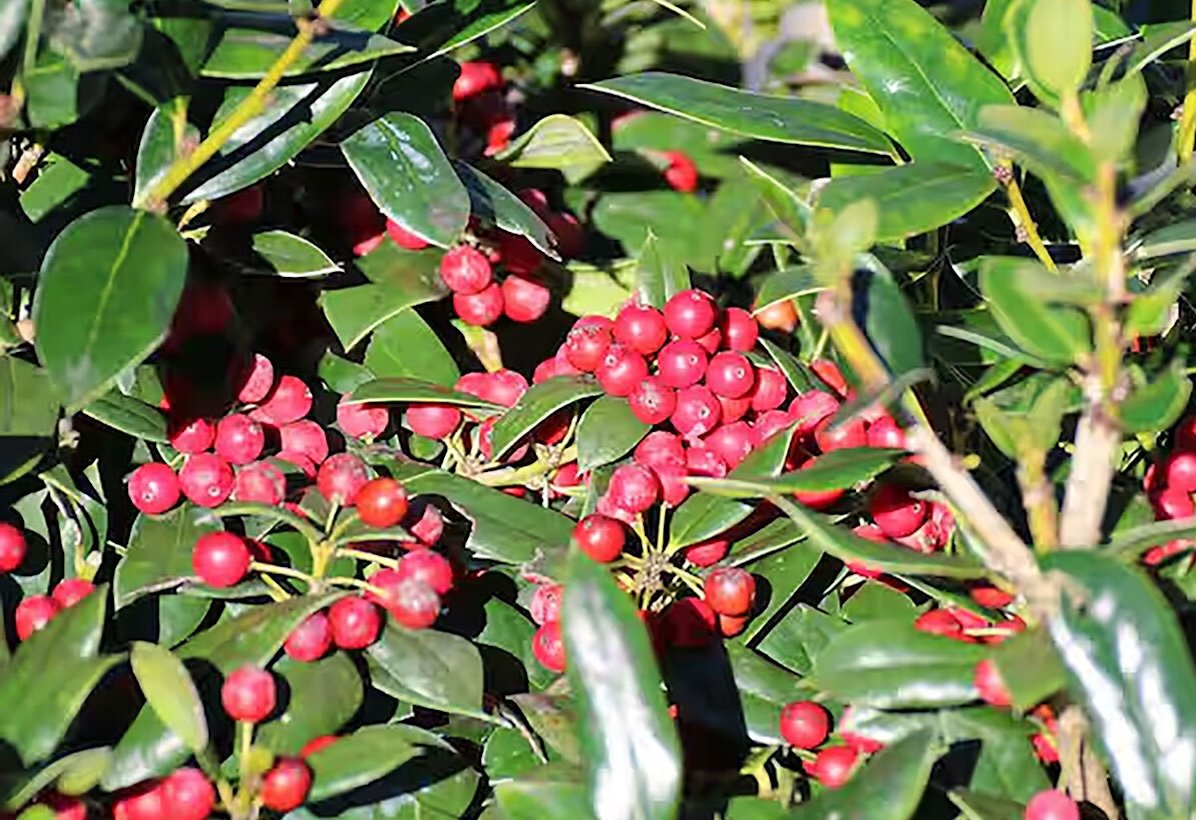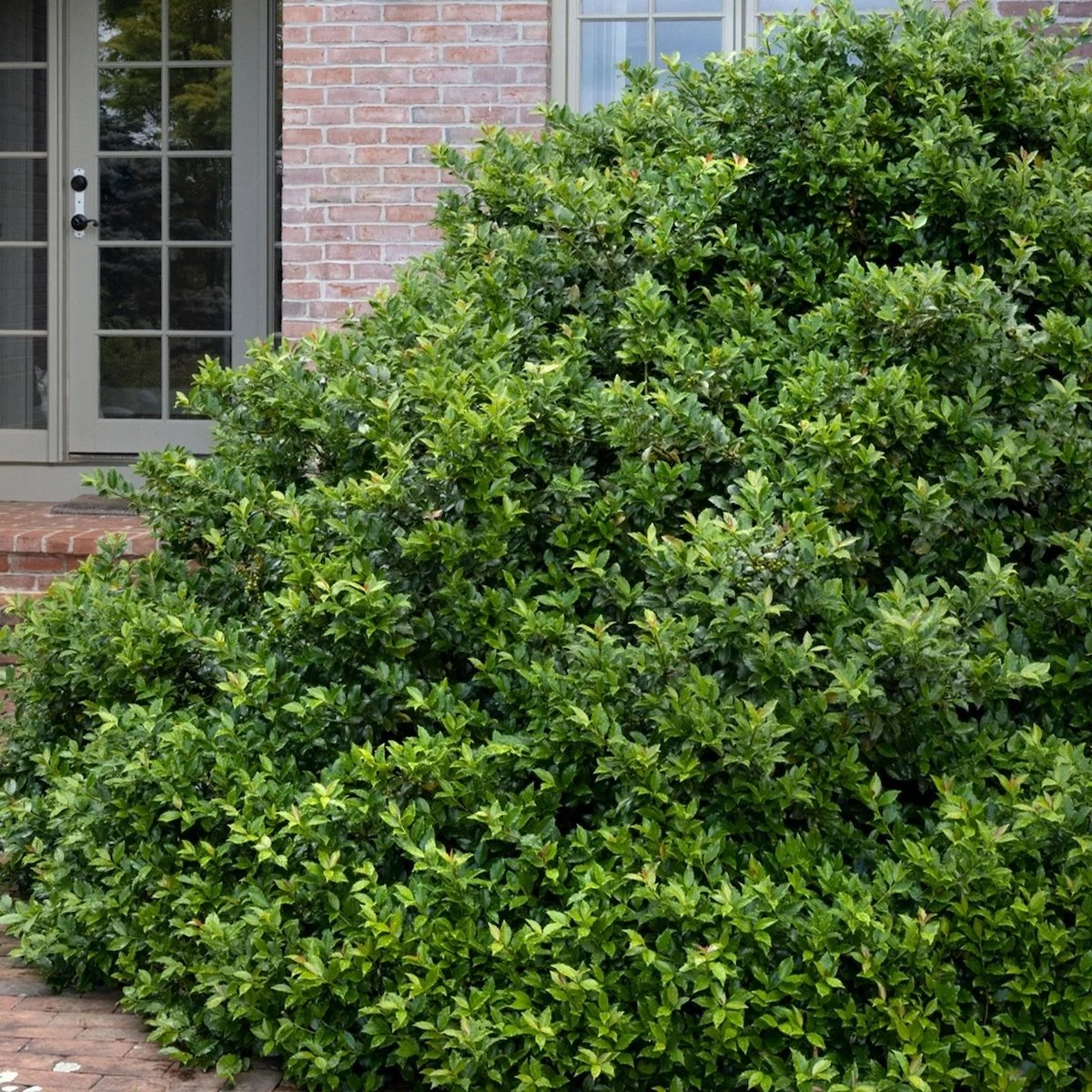

Holly plants are easy to recognize by their stiff, spiny leaves and their red, yellow or black berries, but the group is far more varied than that familiar suggests. Some hollies stay low enough for a foundation planting, while others can be shaped into small trees. A few lose their leaves in winter. And berry production depends on a detail many gardeners overlook: female hollies generally need a male pollinator nearby.
Most hollies need little care unless they are sheared into hedges. That makes them useful in several landscape roles, from hedges and foundation shrubs to specimen trees and bird gardens. The 13 selections below span Japanese, Chinese, American, English, yaupon, blue and winterberry types, each with its own hardiness range and traits.
Japanese holly: spineless leaves and black berries
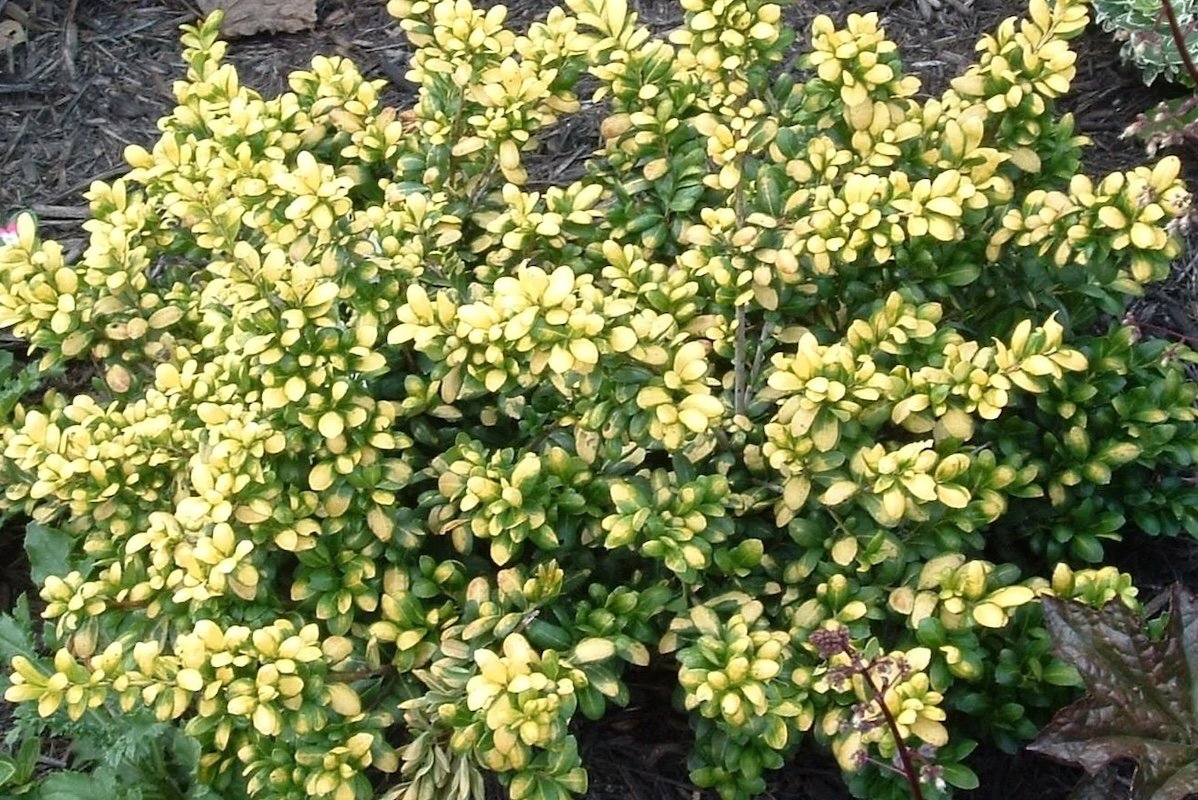
Japanese holly (Ilex crenata) has small, spineless leaves and usually black berries, which sets it apart from the spiny, red-fruited hollies many people . Its fine texture can lead to confusion with boxwood.
Sky Pencil
Sky Pencil is a female Japanese holly with a slender, columnar shape, reaching up to 8 feet tall and about 3 feet wide. Its berries are dark purple. The narrow form suits tight spaces where a wider shrub would not fit.
Drops of Gold
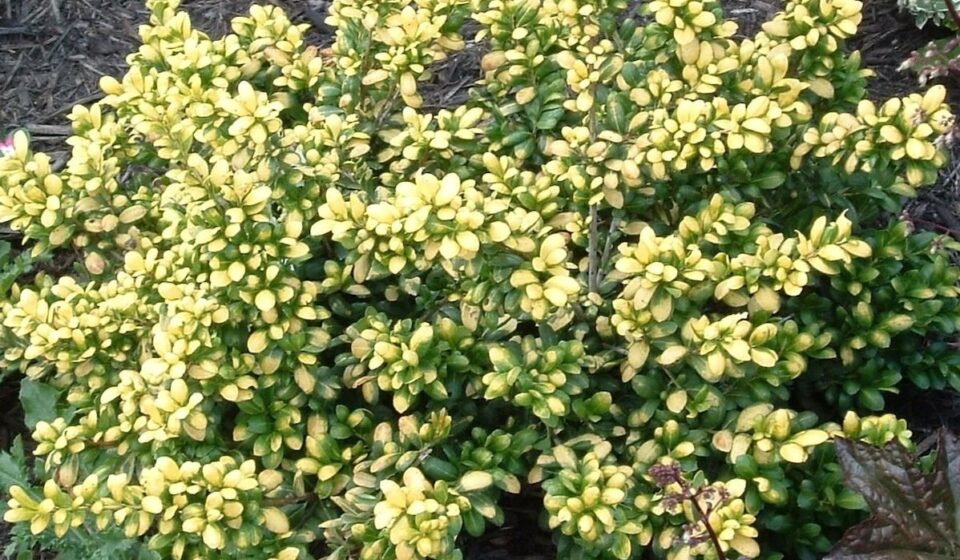
Drops of Gold grows to about 4 feet tall and wide. Its yellow variegated leaves are brightest in full sun. It is a Japanese holly selection grown mainly for foliage rather than fruit.
Japanese holly is hardy in USDA zones 5–8.
Chinese holly: a single spine and fruit without pollination

Chinese holly (Ilex cornuta) is identified by one spine at each leaf tip. It also produces red fruit without pollination, a useful trait when a male plant is not present.
Burford
Burford Chinese holly matures at about 15 feet and can reach 25 feet when grown as a tree. It is a substantial shrub or small tree for a landscape.
Carissa
Carissa is slow-growing and dense, making it a good choice for a low hedge. It generally stays under 4 feet but can reach 8 feet. The University of Florida notes that Carissa can revert to the Rotunda form with more spines, and that its berry display is inferior to Burfordii.
Chinese holly is hardy in USDA zones 7–9.
American holly: large, hardy and very spiny
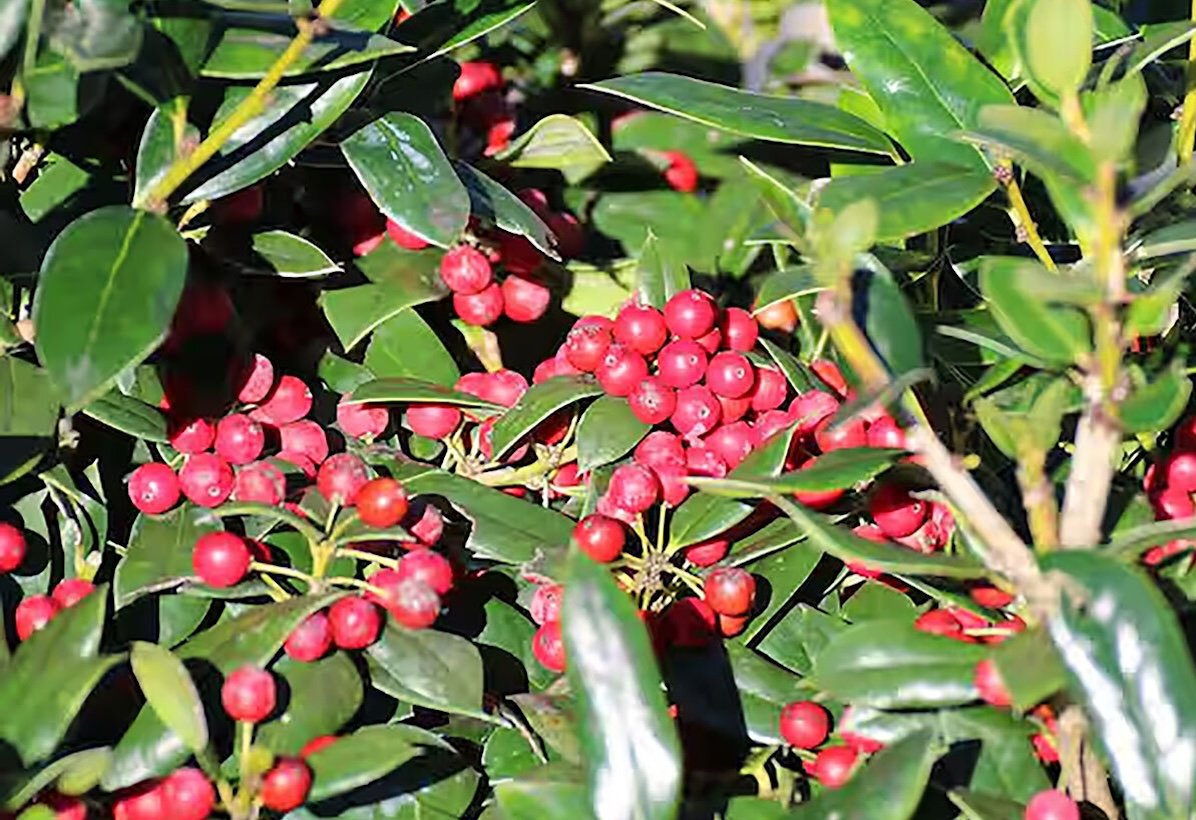
American holly (Ilex opaca) is large and hardy, growing up to 50 feet tall in the wild. Its foliage is very spiny.
Canary
Canary American holly reaches up to 30 feet and bears yellow fruits. It needs a male pollinator to produce them.
Steward’s Silver Crown
Steward’s Silver Crown grows up to 25 feet. Its leaves have silver edges and are pink when young. The name is sometimes misspelled as Stewart’s.
American holly is hardy in USDA zones 5–9. For berry production, a pollinator should be within 100 feet.
English holly and its cultivars
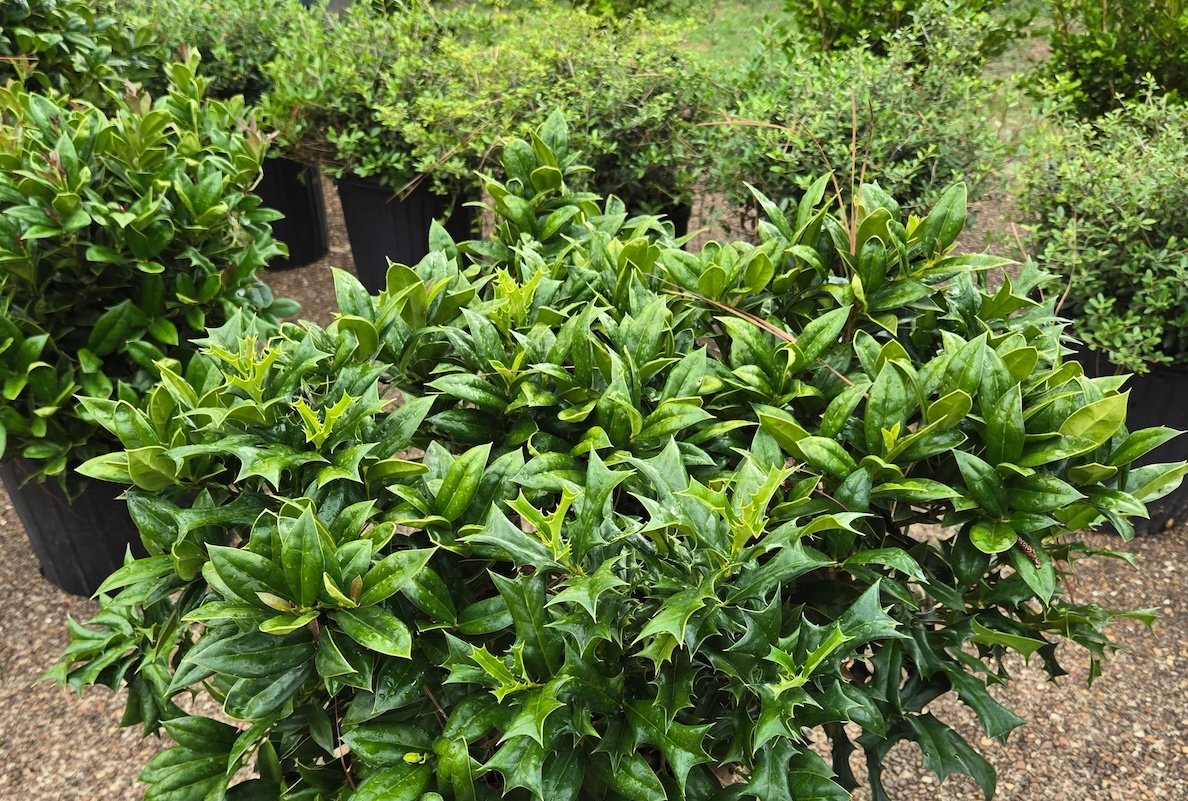
English holly (Ilex aquifolium) is less hardy than American holly. It has spiny leaves and red berries.
Variegated English holly
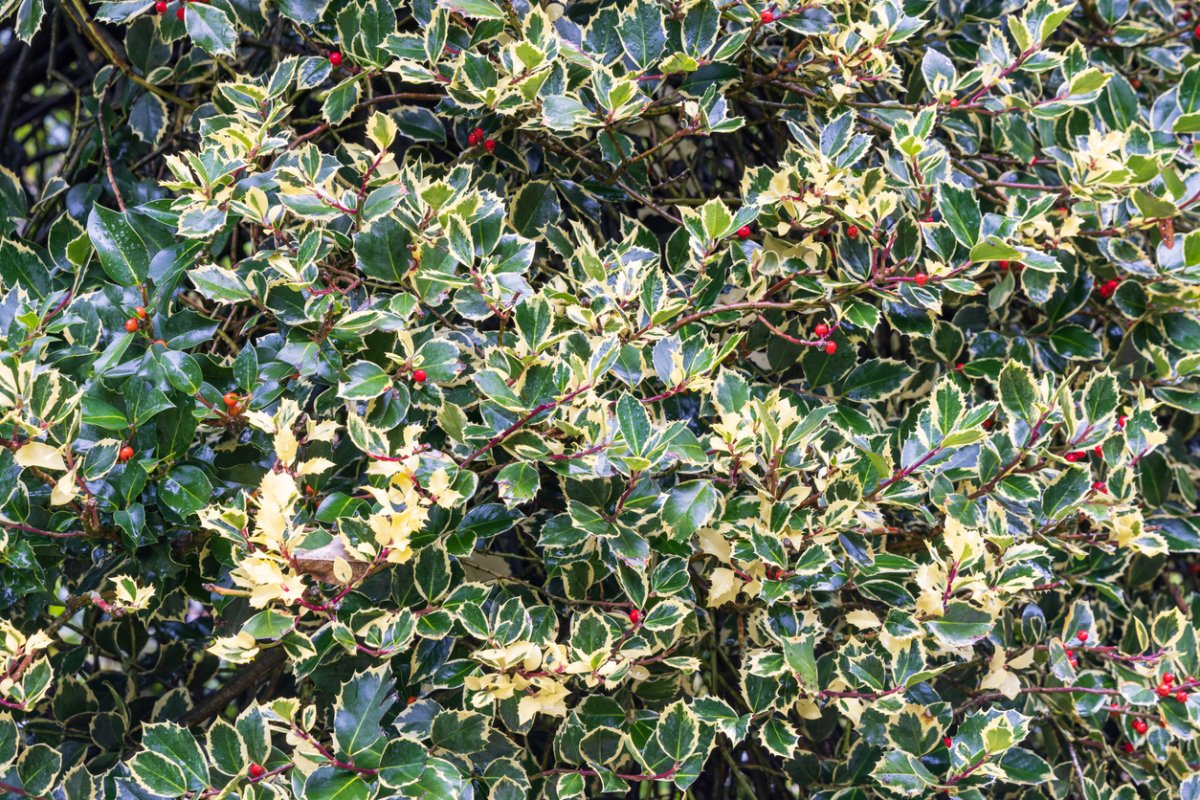
Variegated English holly has white-edged leaves and red berries. It is not drought-tolerant, and it can be invasive in coastal climates.
Gold Coast
Gold Coast English holly is male, so it produces no berries. It has yellow variegated foliage and is hardier than most English cultivars. In hot climates it needs afternoon shade. It grows up to 6 feet tall.
English holly is hardy in USDA zones 7–9; Gold Coast in zones 6–9.
Yaupon holly: a spineless Southern native

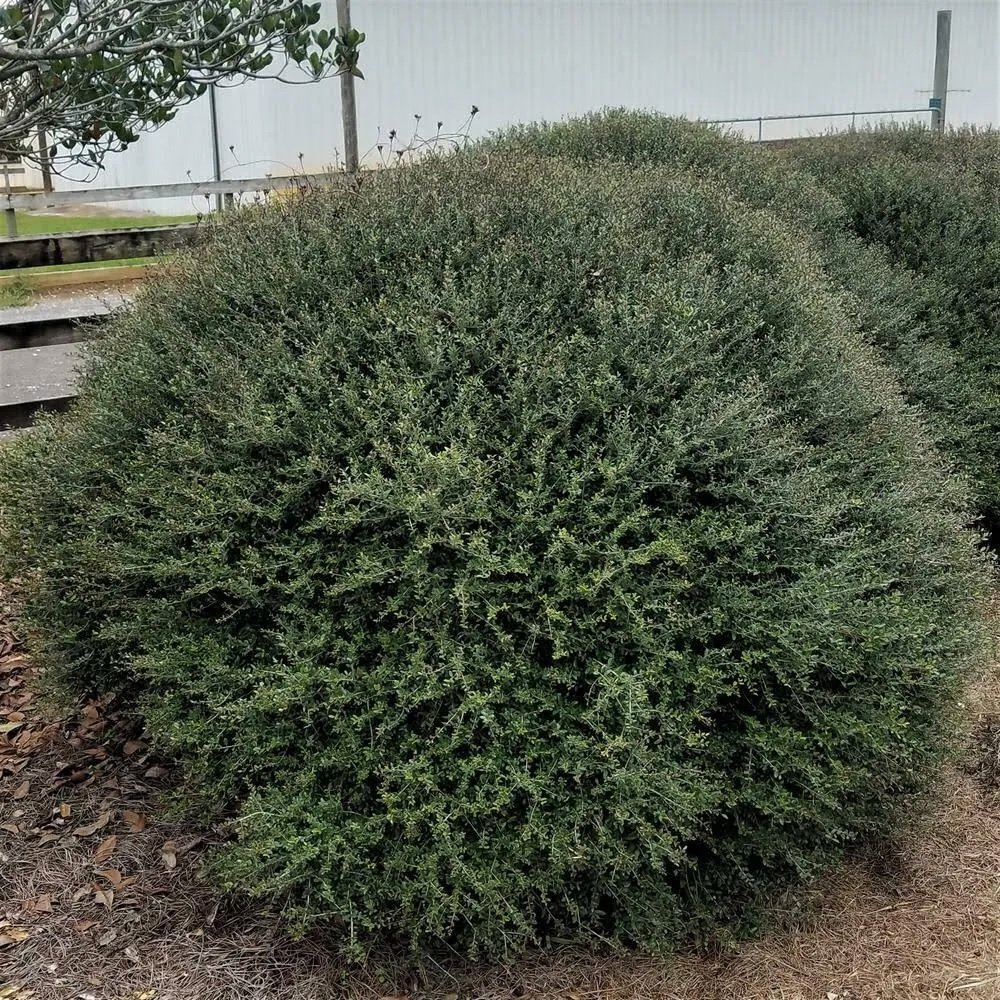
Yaupon holly (Ilex vomitoria) is spineless and native to the South. It tolerates more shade and drought than other hollies.
Folsom’s Weeping Yaupon
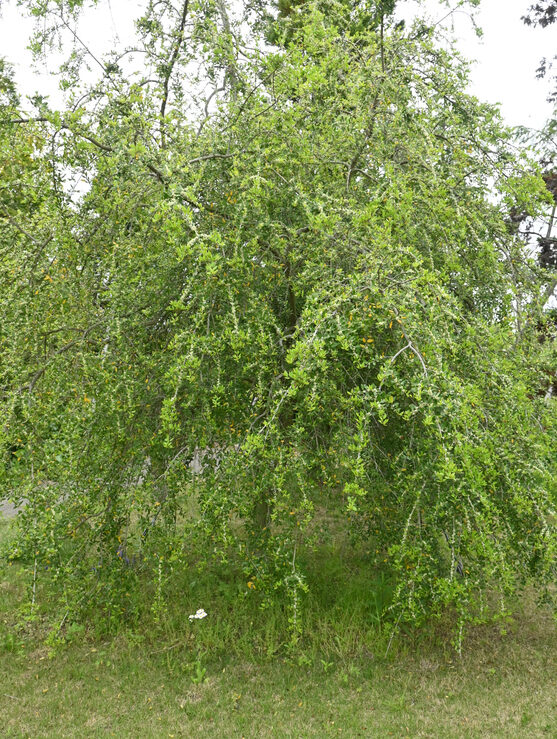
Folsom’s Weeping Yaupon grows up to 30 feet with pendulous branches. It suckers.
Bordeaux Yaupon
Bordeaux Yaupon has burgundy-tinged new growth and winter foliage. It seldom grows over 5 feet.
Yaupon holly is hardy in USDA zones 7–9 and can reach 20 feet.
Blue hollies: hybrids with a classic look

Blue hollies (Ilex x meserveae) are hybrids of English, Chinese and Ilex rugosa. Oregon State University considers them the hardiest hollies with a classic holly look.
Blue Girl
Blue Girl grows up to 8 feet with blue-green foliage. It needs Blue Boy or another male pollinator. It is often sold as a male-female pair in one container.
For blue hollies, one male per three female plants is recommended. They are hardy in USDA zones 5–7.
Winterberry: deciduous holly with persistent fruit
Winterberry holly (Ilex verticillata) is deciduous, losing its leaves in winter. Its berries persist into early spring if birds do not eat them.
Winter Gold
Winter Gold grows up to 8 feet and bears yellow berries. Its leaves drop in winter, leaving the fruit on bare branches.
Winterberry is hardy in USDA zones 3–9.
Pollination: matching bloom times and distances

Female hollies need male pollinators for berry production. Dirr’s Encyclopedia of Trees and Shrubs states that any male holly can pollinate any female if their bloom times match. Distance matters for some types: for American holly, the pollinator should be within 100 feet. For blue holly, one male per three female plants is recommended.
Holly flowers are small and white and appear in spring. The plants are usually grown for foliage and berries rather than blooms.
Hardiness and landscape use
The 13 hollies cover a wide range of USDA hardiness zones. Japanese holly is listed for zones 5–8; Chinese holly for 7–9; American holly for 5–9; English holly for 7–9; Gold Coast English holly for 6–9; yaupon holly for 7–9; blue holly for 5–7; and winterberry for 3–9.
Landscape uses vary by type. Dense, low growers such as Carissa suit low hedges. Columnar Sky Pencil fits narrow spaces. Larger types such as Burford, Canary and Folsom’s Weeping Yaupon can serve as specimen trees or large shrubs. Winterberry’s bare winter branches and persistent fruit make it useful in a bird garden. Hollies can be foundation shrubs or shaped into trees, depending on the selection.
Safety note on berries
Holly berries are toxic to people and pets. Their color and persistence make them attractive in the landscape, but they should not be eaten.