
Finding the best shower heads for low water pressure is less about chasing a bigger number on the box and more about matching the fixture to the problem. To sort through the options, product reviews writer and tester Paul Rankin installed eight models in a single bathroom and lived with each one for up to a month. Tony Carrick provided additional research. More than 20 products were researched before the final eight were selected, with prices spanning roughly $20 to $200.
How the testing was done
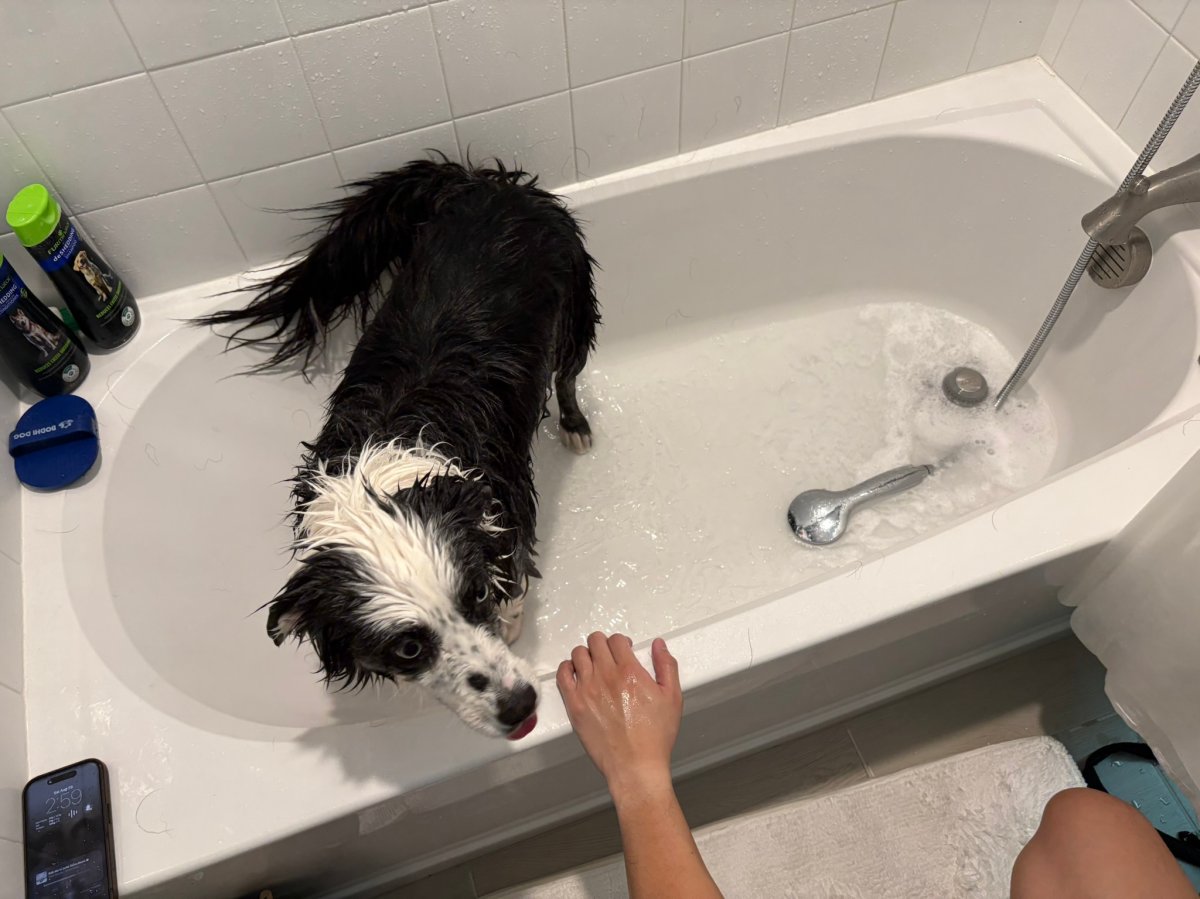
The test bathroom stayed the same throughout, so every head faced identical plumbing conditions. Each unit was evaluated on installation, spray strength, coverage, settings, sturdiness, durability and value. Rankin and his team performed three to four tests per model, used handheld units outside their brackets for targeted rinsing, and kept each head in place long enough to watch for leaks and signs of wear. Scores combined those observations with price.
That approach matters because shower performance is easy to misjudge in a showroom. A head that feels forceful for ten seconds can turn out to be flimsy after two weeks, and a modest-looking model can outperform one costing many times more.
The overall winner
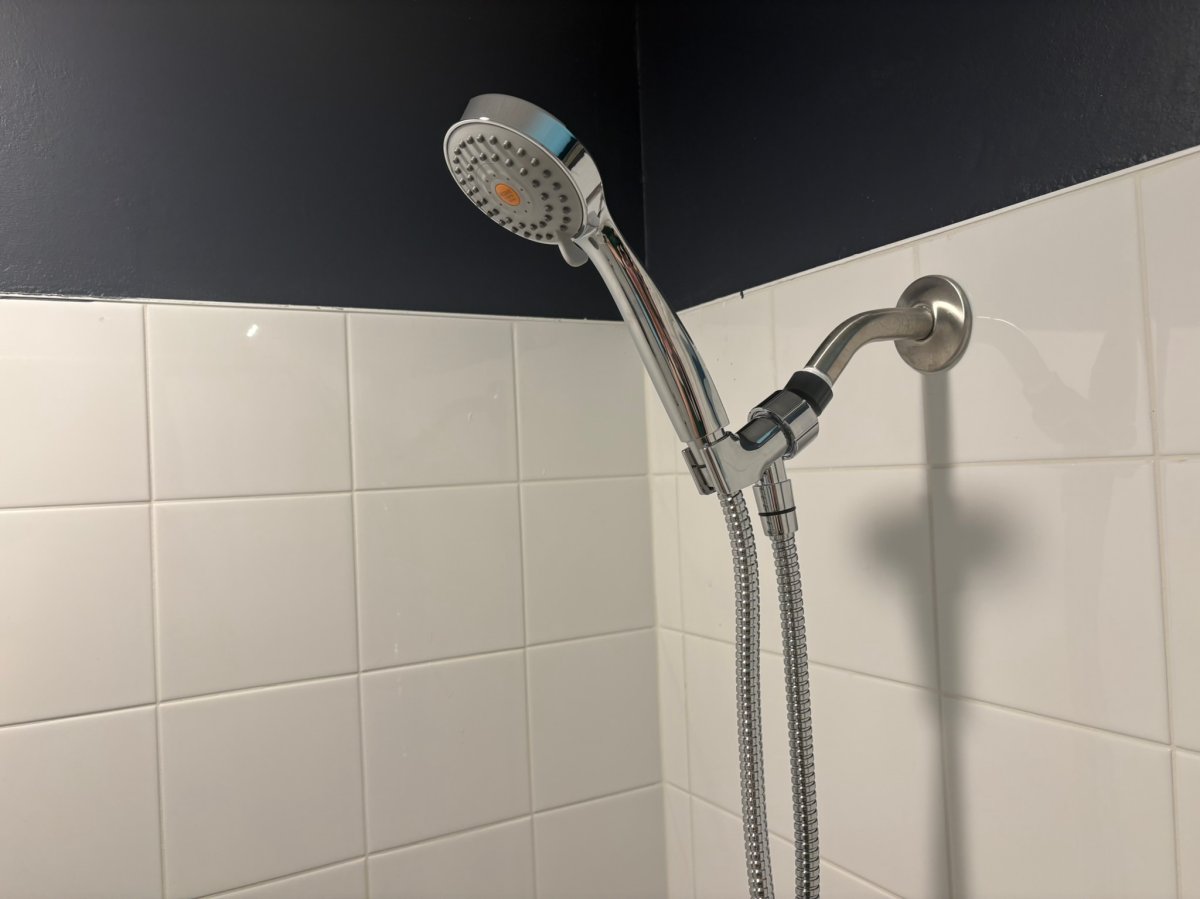
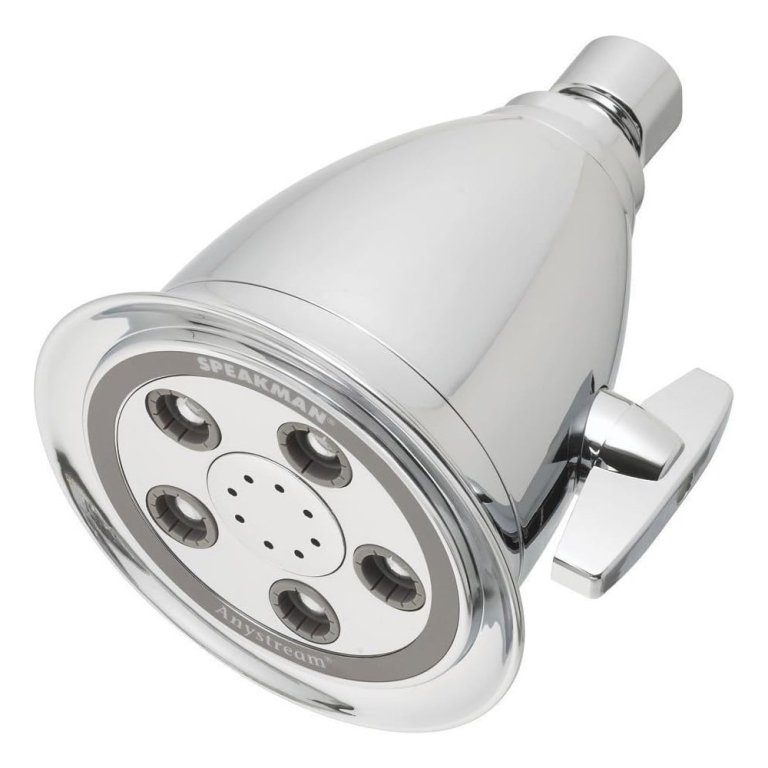
The Speakman S-2005-HB earned the top score of 4.7/5. Its 4-inch head carries three spray settings, and its massage spray was the strongest tested. Installation took minutes and the package included plumber’s tape. Rankin described the Speakman as an exceptional value for improving pressure and said he became a strong fan of it. It also beat several heads that cost more than ten times as much.
For shoppers who want a straightforward answer, that combination of strong spray, simple setup and reasonable price is hard to argue with.
Budget pick and design standout
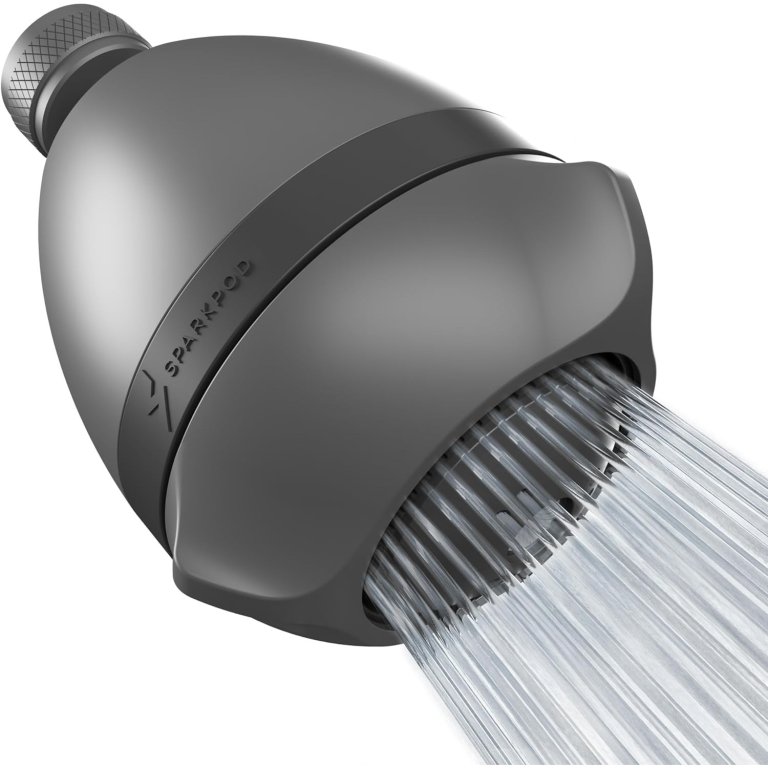
The SparkPod took best budget honors at 4.4/5. Its 3-inch head has three spray settings, which are changed by rotating the base of the head. The shell is ABS plastic, and plumber’s tape comes in the box. It is a sensible entry point for anyone replacing a tired fixture without spending much.
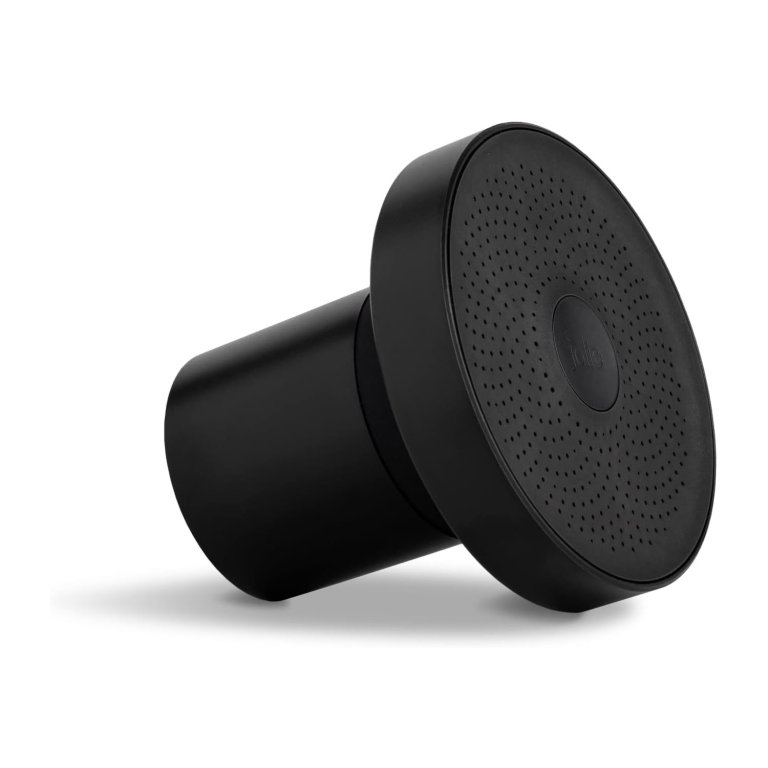
Design-minded buyers may prefer the Jolie Skin Co. Filtered head, which scored 4.6/5. It offers a single rain setting under a 5.3-inch face and uses polyimide plastic. The notable result: filtration did not appear to sap the pressure. That is worth knowing for anyone worried that a filtered shower head necessarily means a weaker shower.
Handheld, no-frills and multi-spray options
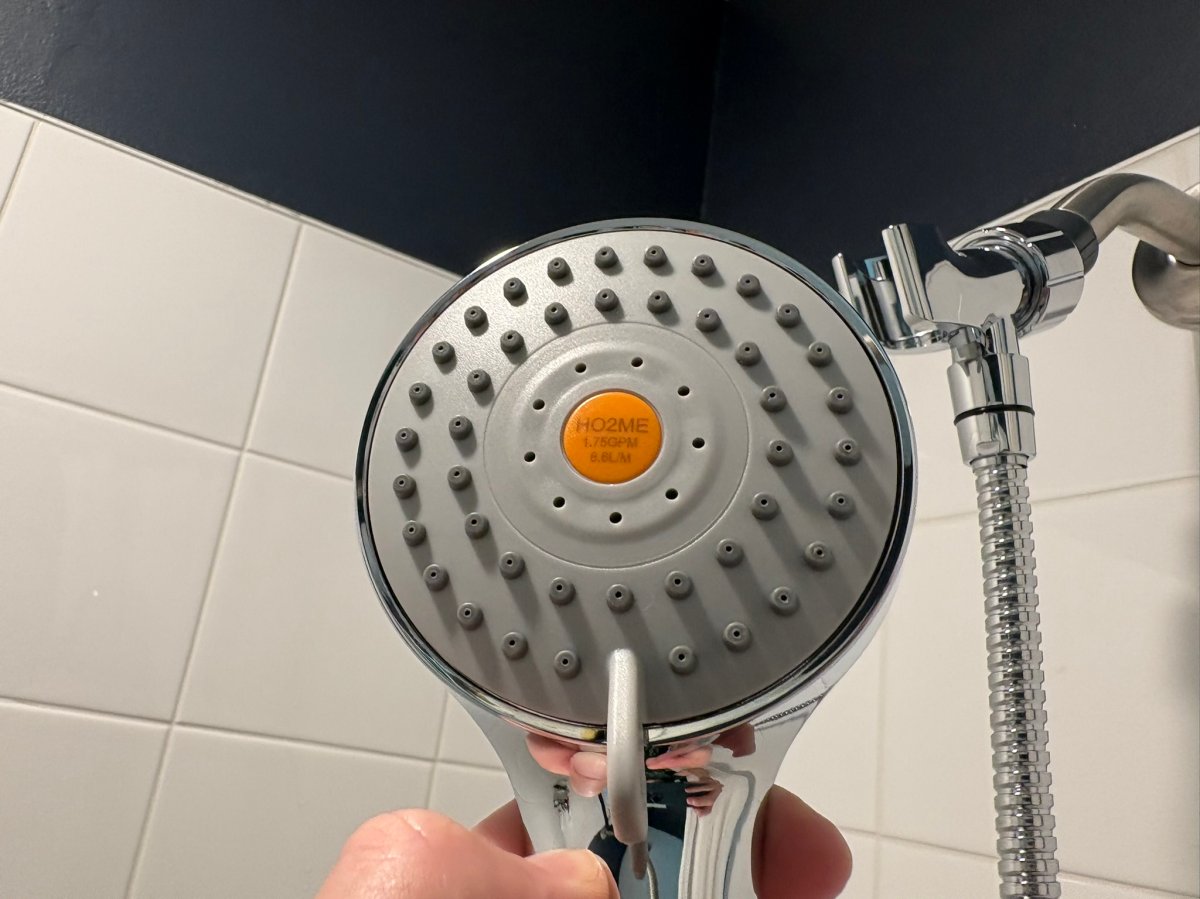
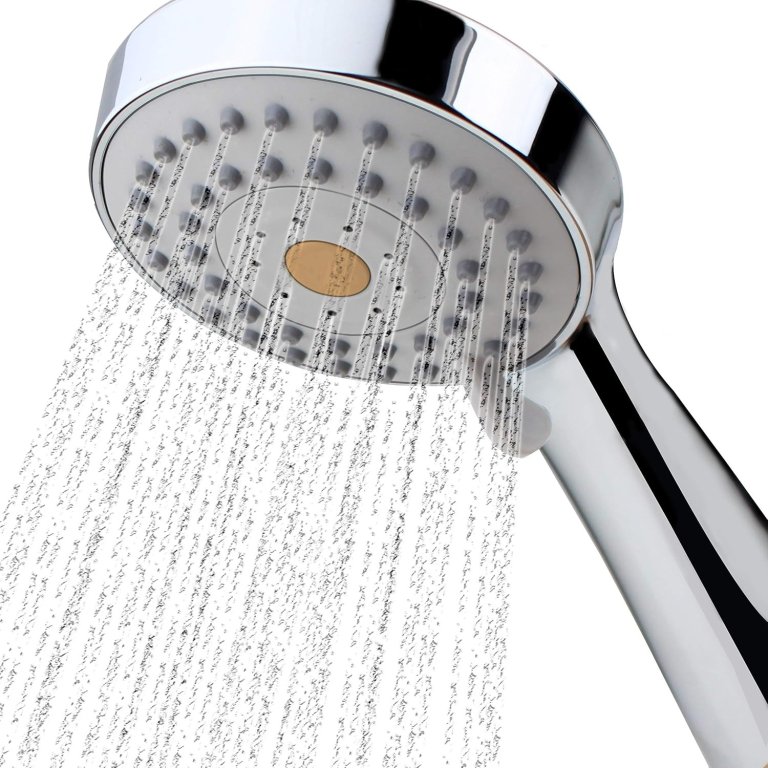
The Ho2me handheld was the best of its type at 4.4/5. At about $25, it pairs a stainless hose with a plastic head, offers three settings and measures 3.3 inches across. In testing, its claimed pressure boost was hard to detect. The bracket stayed sturdy and no leaks appeared over two weeks. It is available only in chrome.
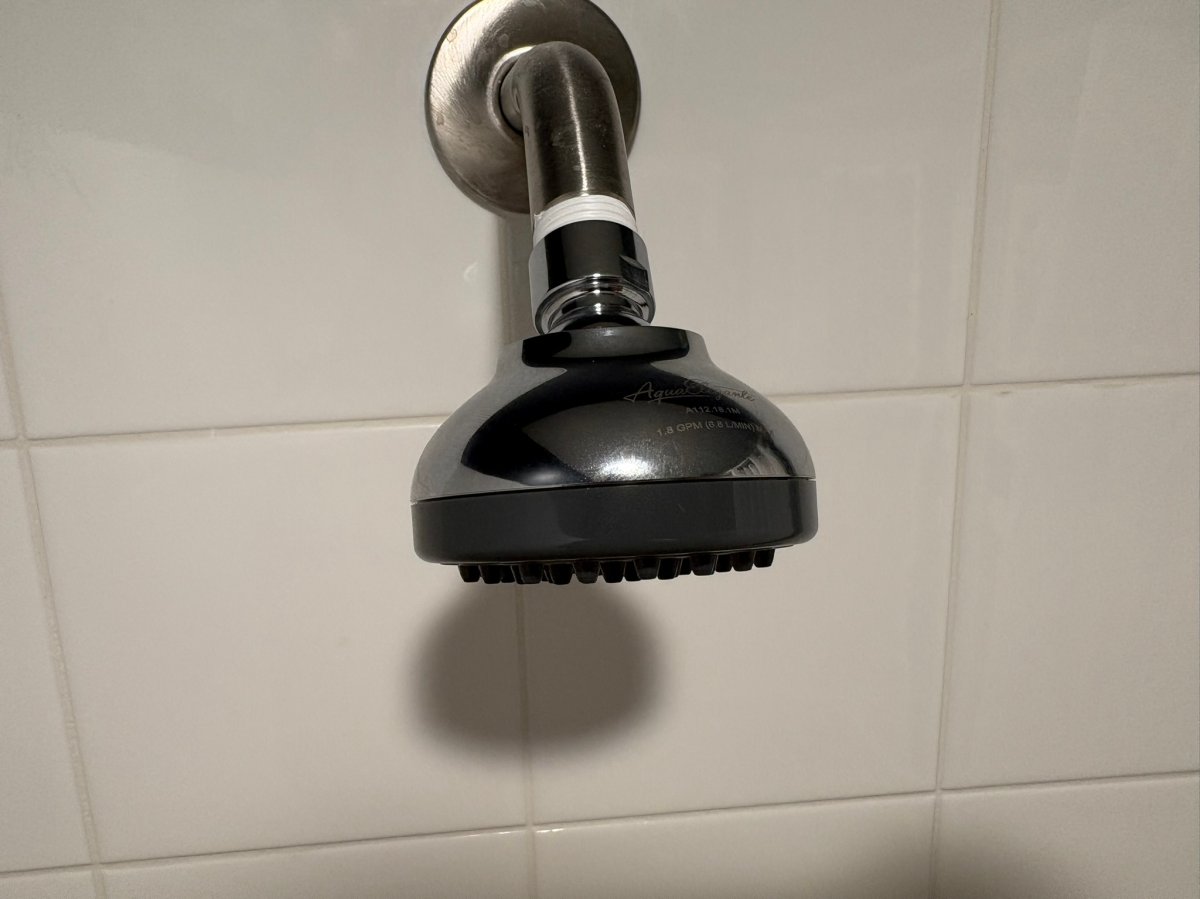
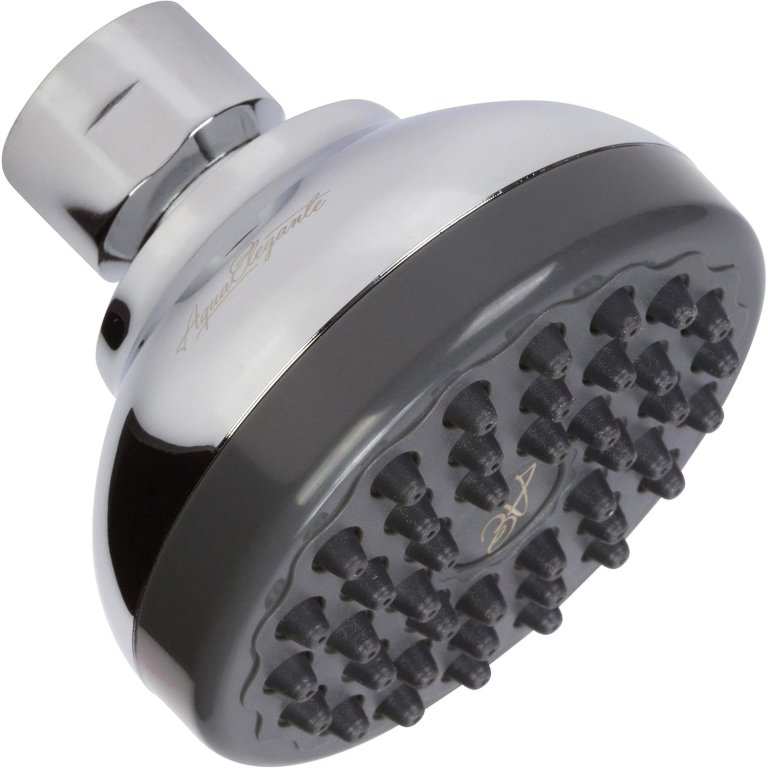
Those who want simplicity should look at the Aqua Elegante, the no-frills pick at 3.9/5. It has a single full-body setting and a 3-inch head, a brass connection and silicone nozzles, and it comes in four finishes. The trade-off is obvious: there are no alternate spray patterns.
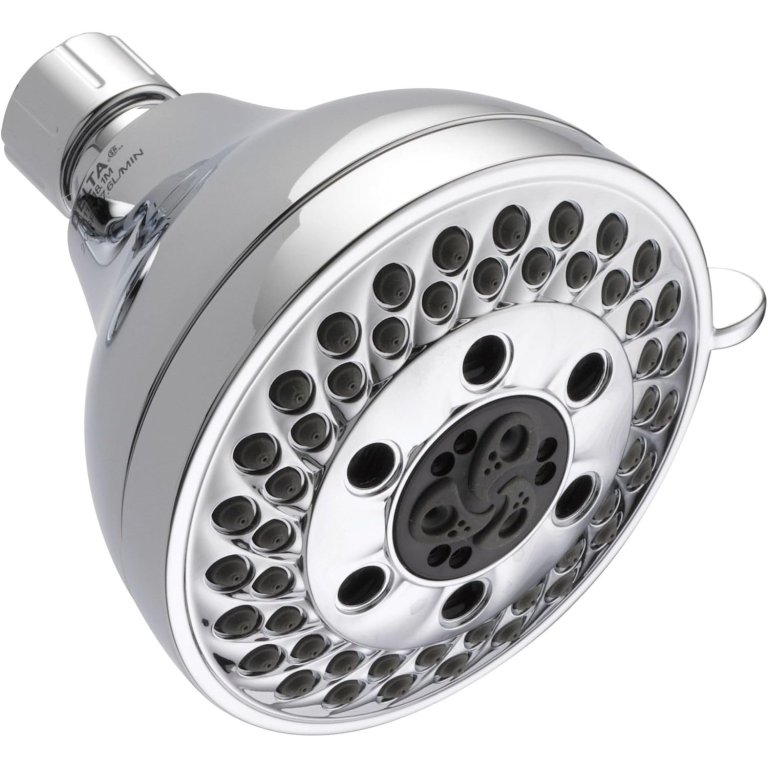
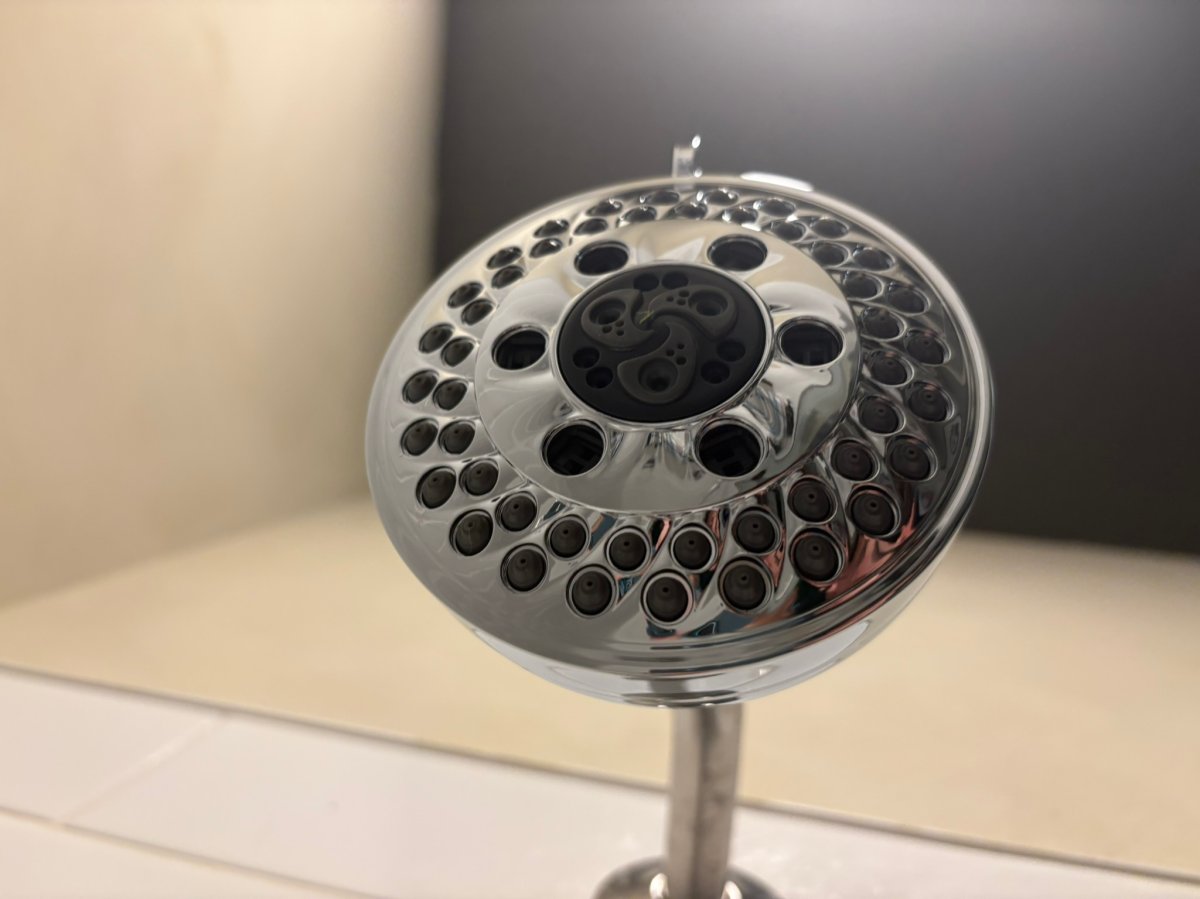
For variety, the Delta H2Okinetic scored 4.6/5 as the best multi-spray model. Five settings sit behind a selector that clicks firmly into place, and the head measures 4 inches. One flaw surfaced during testing: the pause setting leaked around the edges. The Delta also costs roughly twice as much as basic options.
The filtered alternative and the model left off the list
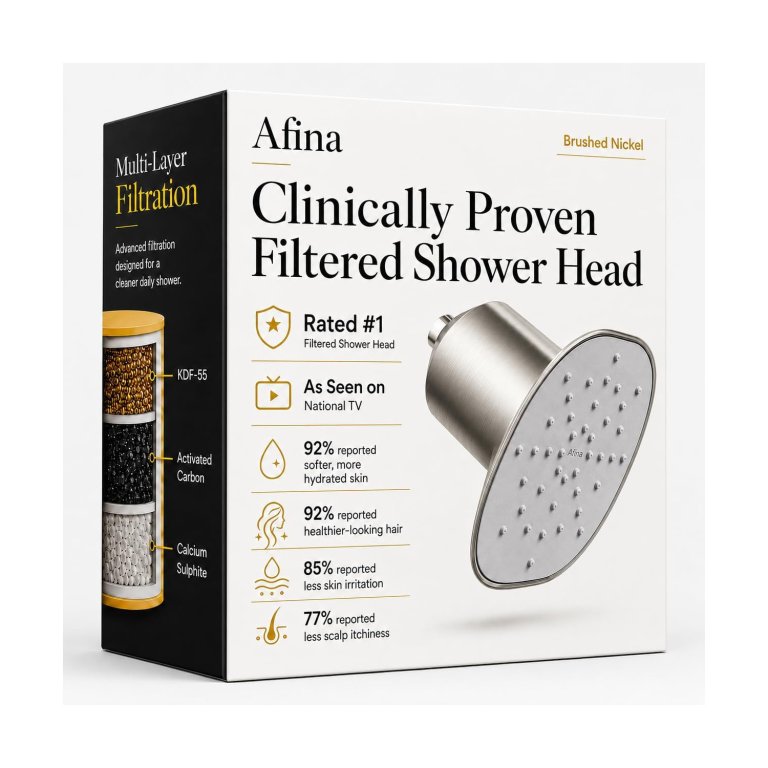
The Afina A-01 was the best filtered choice, scoring 4.6/5. Its 7-inch head delivers a single rain setting, and the box includes three filters, a wrench, instructions and plumber’s tape. Afina recommends changing the filter every 90 days and includes a coupon for 50 percent off replacement filters. Testing took place in a bathroom that already had a whole-house filter installed, which is worth noting when interpreting the results.
The Grohe Euphoria was also tested but not recommended for low-pressure homes. Its 10.25-inch head and three settings might suit a house with ample pressure, but in this bathroom it appeared to reduce pressure rather than improve it.
What causes weak shower pressure
Before buying a new head, it helps to understand why the old one underperforms. Sediment, mineral buildup and peak-use demand can all cut into flow. So can the fixture itself. High-pressure heads typically work by aeration or internal compression, which makes a limited water supply feel more forceful. Rain heads take the opposite approach, spreading the same water across more nozzles, which usually lowers the sensation of pressure.
Flow-rate rules also shape what is available. In the US, shower heads are capped at 2.5 GPM at 80 psi. The EPA recommends 1.8 GPM or lower, and California limits shower heads to 1.8 GPM. The WaterSense label applies to heads under 2 GPM. None of that prevents a well-designed low-flow model from feeling strong, but it explains why so many products advertise pressure-boosting engineering.
Buying considerations
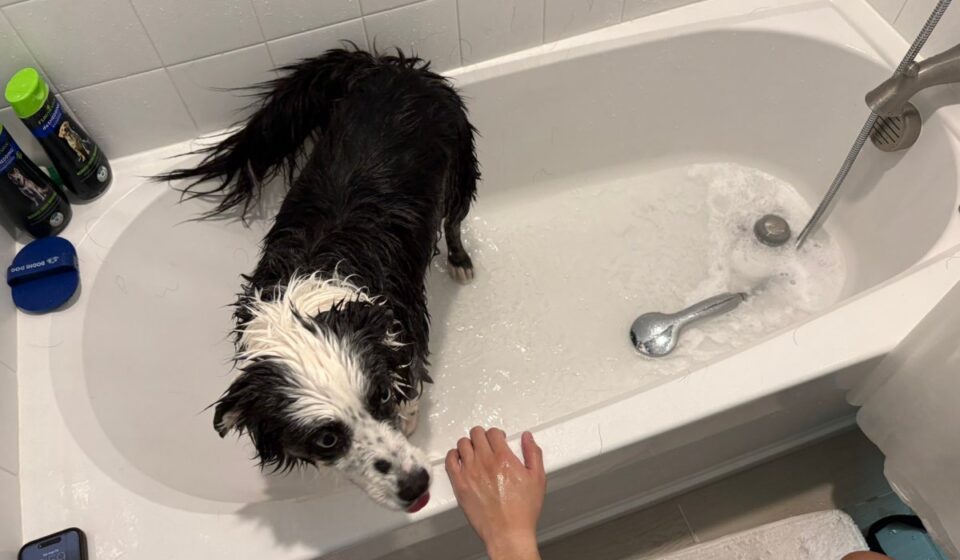
Fixed heads mount to the wall arm, while handhelds use a hose and clip and add reach for rinsing, pets and children. Materials range from plastic to metal, and the connection type affects durability. Settings matter too: a single strong spray can beat five mediocre ones, and a pause feature is only useful if it actually stops the flow. Filters require periodic replacement, finishes affect appearance, and most swaps are a DIY job of about 15 minutes. Ceiling-mounted rain heads may need professional plumbing.
With eight models tested and seven recommended, the clearest lesson is that price and size are poor predictors of performance. The Speakman’s strong showing against far more expensive heads makes that point neatly.