

When the lights go out, the clock starts ticking on the food in your refrigerator and freezer. Food safety power outage guidance from federal agencies and experts centers on a few key numbers: 40°F for refrigerators, 0°F for freezers, and a four-hour window before perishables may become unsafe. The stakes are not just financial. The Centers for Disease Control and Prevention estimates that foodborne disease sickens 1 in 6 Americans each year—about 48 million people—leading to 128,000 hospitalizations and 3,000 deaths annually.
Dr. Darin Detwiler, a food safety advocate, author, and educator at Detwiler Consulting Group, describes outages as creating invisible food safety hazards and financial risk. Preparation, he says, protects both health and food value. Jill Roberts, PhD, MS, MPH, CPH, a professor at the College of Public Health, University of South Florida, emphasizes a simple first step: do not open the refrigerator or freezer. Both appliances maintain safe temperatures for about four hours without power, she notes.
Safe Temperature Thresholds
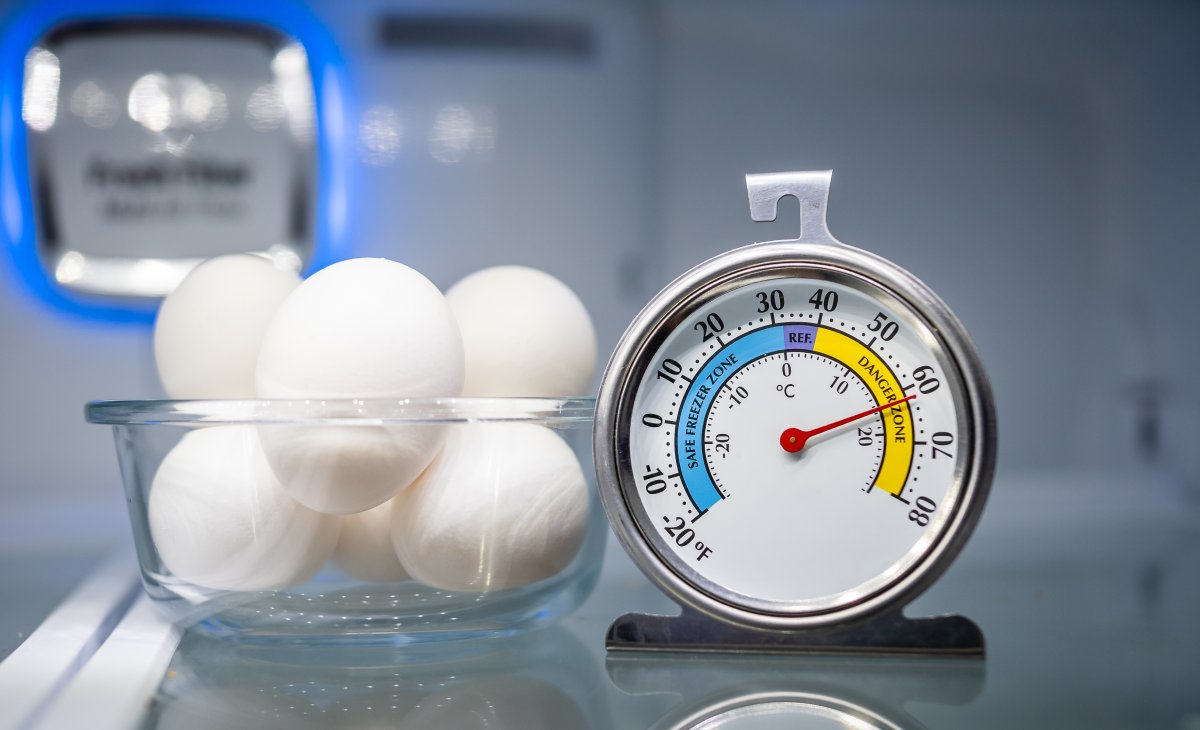
Refrigerators should be set at or below 40°F. Freezers should be at or below 0°F. These targets are the foundation of any food safety plan, yet many appliances lack accurate thermostats. Inexpensive appliance thermometers can help monitor actual conditions and even reveal issues during normal operation.
A wireless thermometer is especially useful during an outage because it lets you check temperatures without opening the door. Avoid frequent opening to check an analog thermometer, since each opening releases cold air. Detwiler describes cold air as a limited resource—opening doors loses protection.
How Long Food Lasts With Doors Closed
A closed refrigerator keeps food safe for about four hours. A half-full closed freezer holds 0°F for about 24 hours. A full closed freezer holds 0°F for about 48 hours. These time limits assume the doors stay shut.
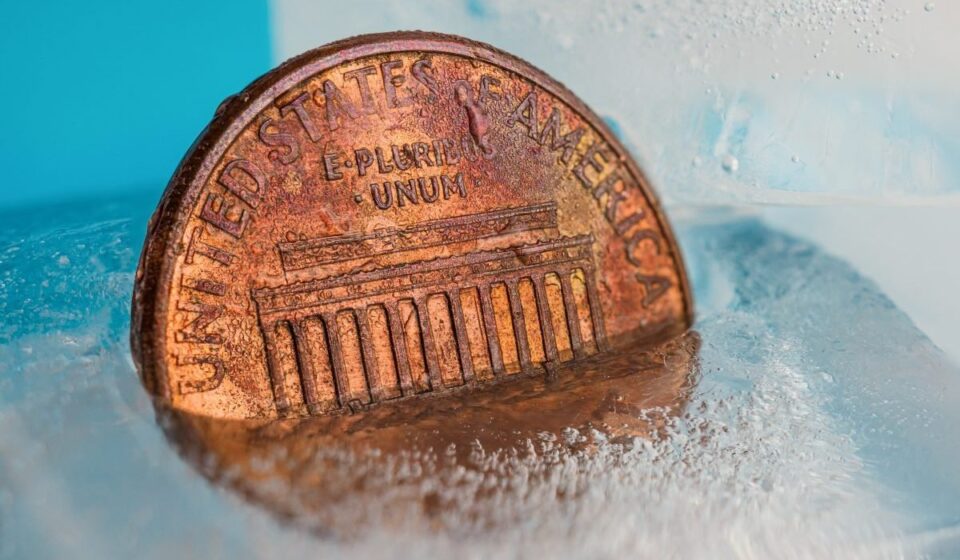
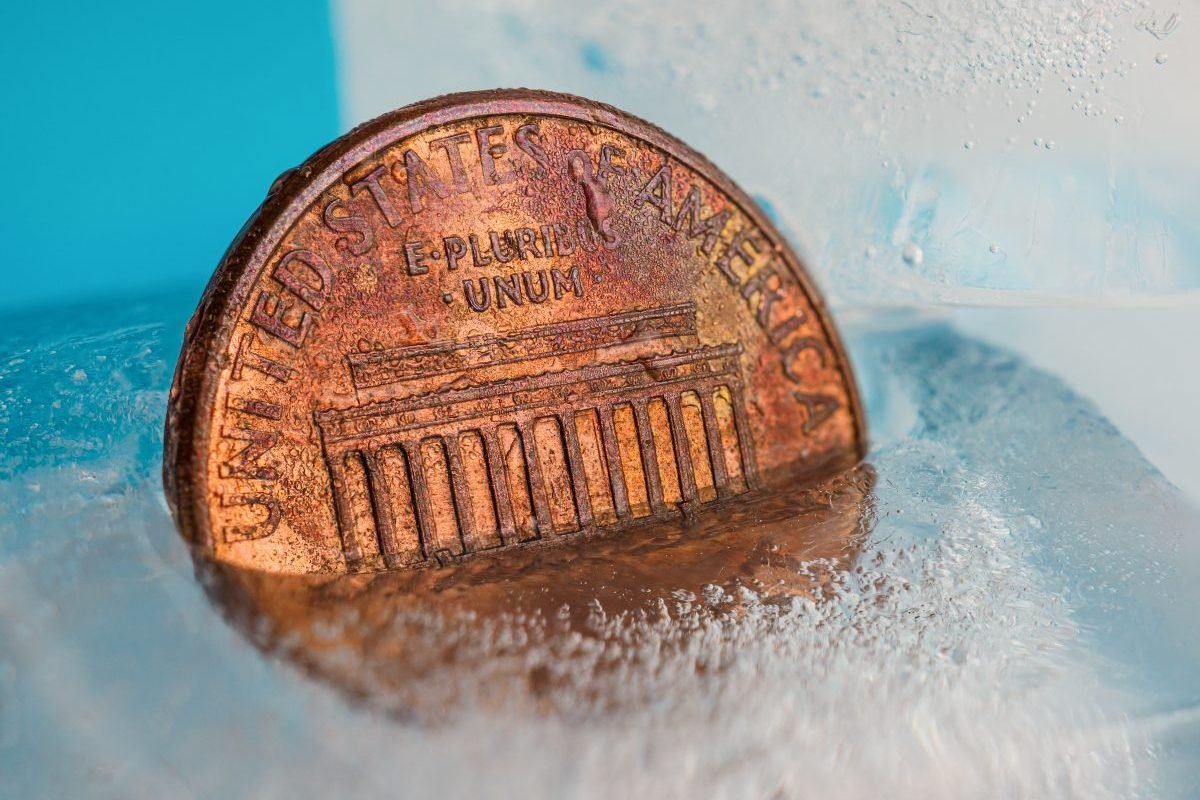
If you suspect an outage occurred while you were away, the frozen penny trick can help. Place a penny on top of a frozen cup or container of water. If the penny has sunk into the ice when you return, the freezer thawed and refroze, indicating an outage.
Preparation Before an Outage

Detwiler says preparation should happen before an outage, not during one. Start by setting your refrigerator and freezer to the correct temperatures. Freeze refrigerated food you do not need immediately. Fill unused space in the freezer with containers of frozen water for extra cooling capacity.
Have coolers, ice cubes, and gel packs ready. Identify local dry ice retailers in advance. For a long outage, dry ice should be purchased before 48 hours have passed. About 50 pounds of dry ice can help an 18-cubic-foot full freezer for about two days.
Stock non-perishable foods in a cool, dry area. Check expiration dates and protect the stash from rodents and exhausts. Store 3 gallons of water per person for a 3-day supply. Detwiler notes that shelf-stable foods and water reduce the need to open the refrigerator or freezer.
What to Do During an Outage
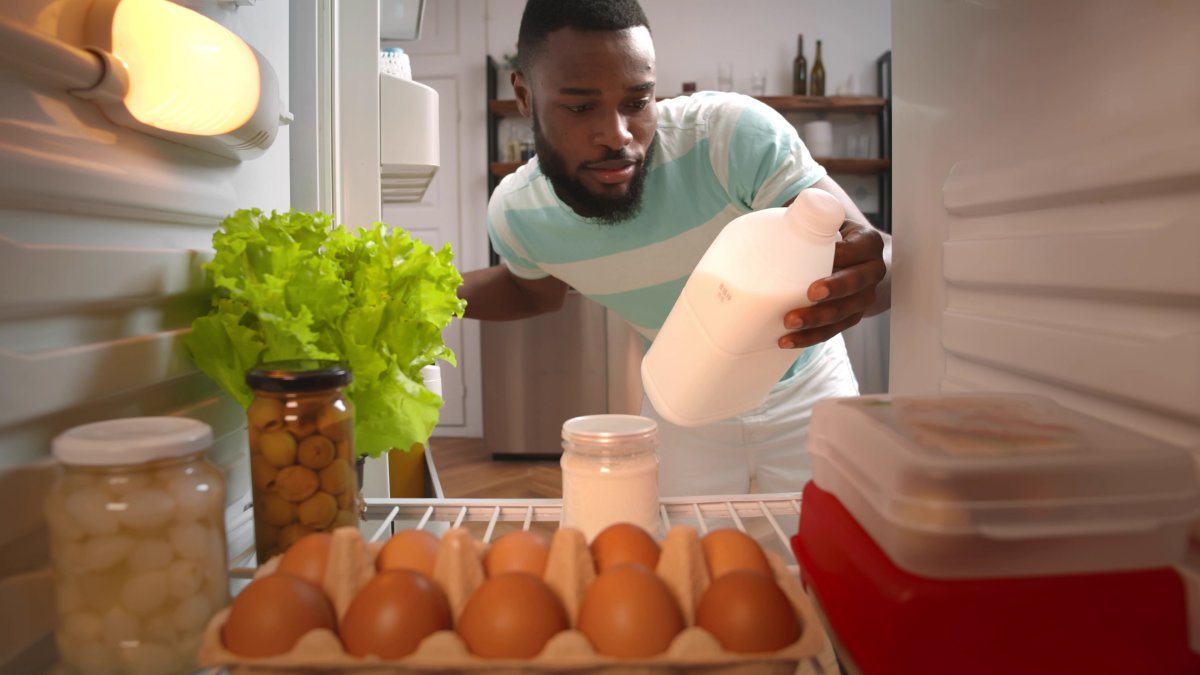
Keep the refrigerator and freezer doors closed as much as possible. Monitor temperatures wirelessly if you can. If the outage stretches beyond a few hours, move milk, meats, and eggs to a cooler with ice. If you have a cooler, use it to extend the life of perishables.
If you can cook, prepare refrigerated meat before it spoils. Use a food thermometer to verify safe internal cooking temperature. Cooking does not make spoiled food safe, so only cook food that has stayed within safe limits.
Never taste questionable food to judge its safety. Pathogens may not change appearance, smell, or taste. Detwiler’s advice is blunt: when in doubt, throw it out.
After Restoration: What to Discard and What to Keep
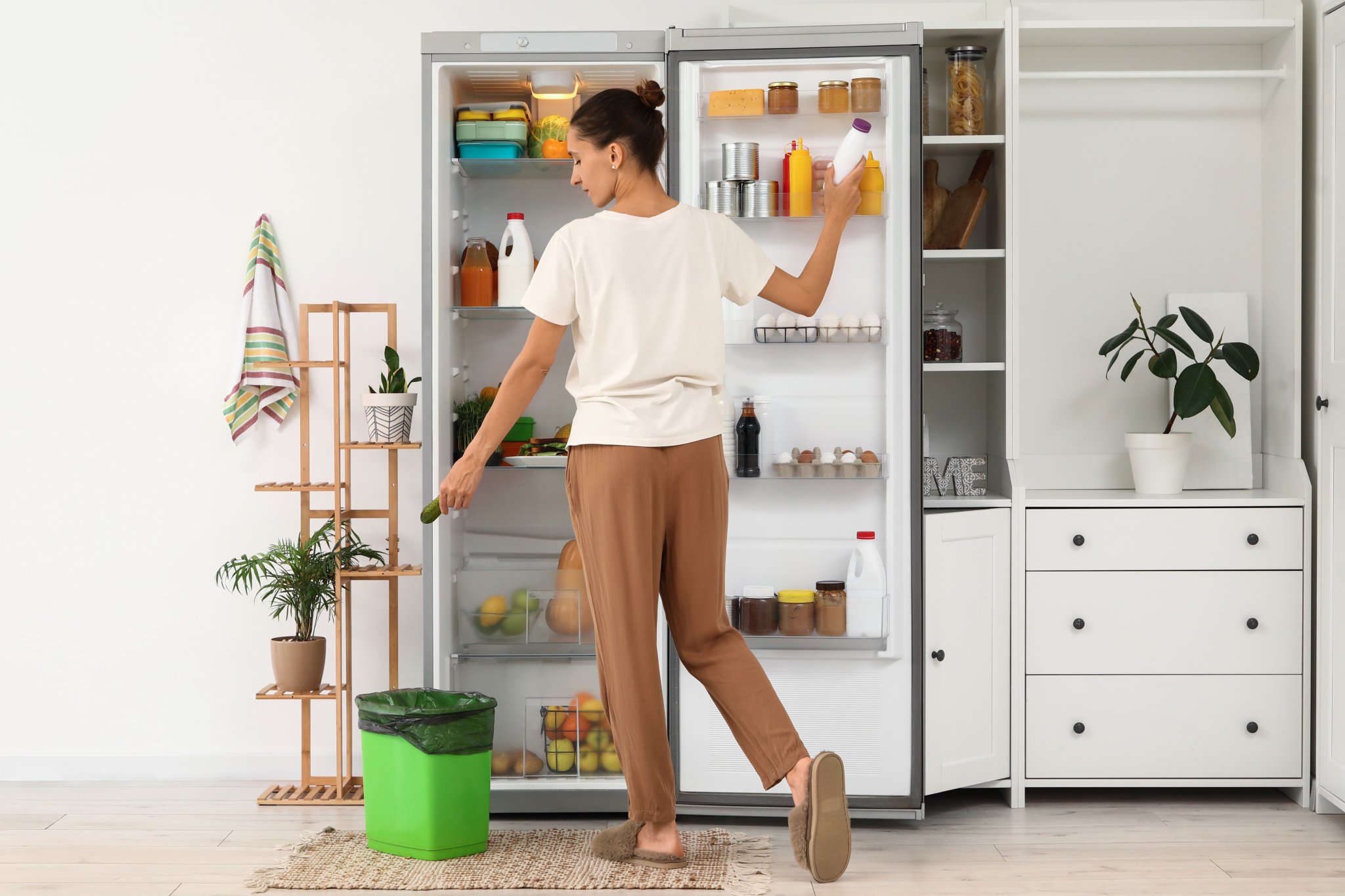
Once power returns, check temperatures. Discard perishables that have been above 40°F for 4 or more hours. This includes milk, eggs, poultry, meats, seafood, lunch meat, casseroles, soft cheeses, cut fruits and vegetables, and opened creamy dressings.
If indoor temperatures rose above 90°F, discard perishables left out for more than 1 hour. For certain foods, a 2-hour threshold applies above 40°F.
Freezer items with ice crystals can be refrozen or cooked. Freezer items that are at or below 40°F after restoration can also be refrozen or cooked. Foods safe to keep above 40°F for 2 or more hours include uncut fresh fruits and vegetables, canned fruits, fruit juices, hard cheeses, butter, margarine, peanut butter, soy and barbecue sauces, opened vinegar-based dressings, bread, muffins, and cakes.
Sanitize containers and surfaces that touched spoiled food. This step helps prevent cross-contamination.
Emergency Food and Water Supplies
Ready.gov and FoodSafety.gov recommend keeping a supply of non-perishable foods and water. Store 3 gallons of water per person for 3 days. Keep non-perishable foods in a cool, dry area, check expiration dates, and protect them from rodents and exhausts.
Roberts advises keeping a stash of non-perishable foods in a cool, dry area. Such a stash can reduce the need to open the refrigerator or freezer during an outage.
Food safety during a power outage comes down to planning and monitoring. With thermometers, coolers, ice, and a clear discard rule, you can protect your health and your food budget when the power fails.