Musk Settles Two Lawsuits Over $1 Million Voter Giveaway, but Terms Stay Secret

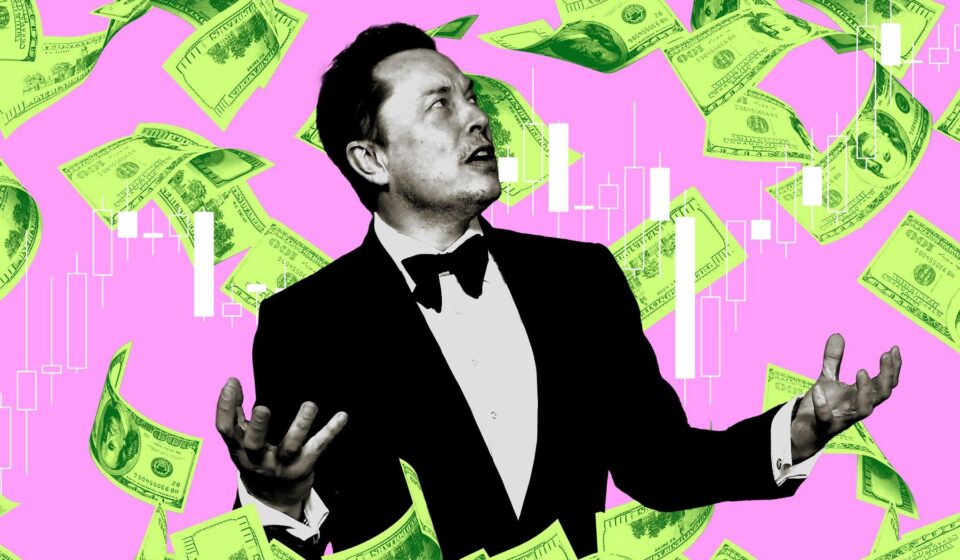
Elon Musk has agreed to settle two lawsuits challenging the $1 million voter giveaway he conducted in 2024, according to a report on October 17, 2026. The Elon Musk voter giveaway settlement ends litigation filed in Austin, Texas, by two Arizona residents. The amount and conditions of the agreement remain confidential, leaving unanswered questions about whether any admission was made or what the plaintiffs received.
What Musk promised in 2024

During the 2024 election cycle, Musk announced a daily prize of $1 million to a randomly chosen registered voter in a swing state. Entry required signing a petition. The giveaway drew national attention and quickly became the subject of legal challenges questioning its legality and its mechanics.
The two Arizona plaintiffs sued Musk and America PAC in Austin, alleging that the lottery was fraudulent. Their core claim was that Musk falsely told participants the prizes were awarded randomly. The plaintiffs said they would not have signed the required petition if they had known the selection was not random.
The fraud theory: randomness was the selling point

At the heart of the lawsuits was a simple proposition: participants agreed to sign the petition because they believed they had a chance to win $1 million through a random drawing. The plaintiffs argued that this belief was misplaced, and that Musk’s public statements about randomness misrepresented how the prizes were actually awarded.
That argument gained support from an unexpected source. At a hearing, Chris Gober, a representative for Musk and America PAC, said that recipients were not chosen by chance. Gober also said the PAC knew in advance who the upcoming recipients would be. His statement directly contradicted Musk’s public characterization of the giveaway as a random lottery.
The plaintiffs pointed to that contradiction as evidence that they had been misled. If the winners were predetermined, the petition they signed was not a genuine entry into a random draw. The fraud claim therefore rested on the gap between what Musk promised and what the PAC actually did.
Data collection allegations

The lawsuits also accused Musk and America PAC of using the giveaway as a data-collection ploy. According to the plaintiffs, the petition that participants were required to sign placed no limits on the use or sale of the personal information collected. The petition also provided no added information about how that data would be used.
In other words, the plaintiffs alleged that the $1 million prize served as a lure to gather voter information that could later be exploited. The absence of any restrictions on data use or sale was central to that allegation. The settlement does not resolve whether those claims had merit, because the terms were not made public.
Philadelphia’s separate challenge
The Austin lawsuits were not the only legal action targeting the giveaway. The Philadelphia District Attorney sued to stop the giveaway, arguing that it constituted an illegal lottery. That case proceeded on a separate track, and its current status is not addressed in the settlement announcement.
The district attorney’s challenge focused on the legality of the giveaway itself rather than on the randomness claim. It sought to halt the program, not to recover damages for participants. The outcome of that case remains unclear from the available information.
Why settle now?
Musk’s decision to settle the two Austin lawsuits avoids a trial that would have aired the inner workings of the giveaway. The confidential terms mean the public will not learn how much Musk or America PAC paid, whether the plaintiffs received any compensation, or whether the settlement included any admission of wrongdoing.
The settlement also leaves unresolved the central factual dispute: whether Musk’s randomness claim was false when made. Gober’s hearing statement suggested that it was, but the settlement does not establish that as a legal matter. The plaintiffs’ allegations remain allegations, not proven findings.
What the settlement does confirm is that the litigation has ended without a public accounting. For the plaintiffs, the case is closed. For Musk and America PAC, the settlement removes a legal risk but does not resolve the questions raised by the giveaway’s design.
What remains unknown
Several key details are not public. The settlement amount is undisclosed. The conditions of the agreement are undisclosed. It is not known whether Musk or America PAC admitted any liability or made any statement as part of the settlement. The exact filing dates of the lawsuits are also not specified in the available information, and the identities of the two Arizona plaintiffs have not been released.
The Philadelphia District Attorney’s case is not mentioned in the settlement report, so its current status is unknown. Whether that challenge is still pending, has been resolved, or was otherwise closed cannot be determined from the facts available.
For observers, the settlement closes one chapter of the legal fight over the giveaway but leaves the larger questions unanswered. The $1 million daily prize was a central feature of the 2024 campaign season, and the lawsuits that followed tested whether the promise of randomness was legally enforceable. The settlement avoids a judicial answer.
What the settlement means
The resolution of the two Austin lawsuits removes a potential courtroom confrontation over Musk’s public statements and the PAC’s internal practices. It also means that the plaintiffs’ fraud theory will not be tested at trial. The data-collection allegations likewise remain unproven in court.
For participants in the giveaway, the settlement offers no clarity about whether their personal information was used or sold. The petition’s terms, as described by the plaintiffs, placed no limits on such use, and the settlement does not change that description.
The settlement is a private agreement between the parties. Its confidentiality is typical of many civil settlements, but it leaves the public record incomplete. The core facts remain: Musk promised a random $1 million daily prize, two Arizona residents sued alleging fraud, a PAC representative said the selection was not random, and the Philadelphia District Attorney challenged the giveaway as an illegal lottery. The settlement ends the Austin cases without resolving those disputes in a public forum.
As of the October 17, 2026 report, the settlement is the final known development in the Austin litigation. The terms may never be disclosed. The questions raised by the plaintiffs—about randomness, data use, and the legality of the giveaway—remain part of the public debate, even as the lawsuits themselves have concluded.