
A Month of Kvällsro: What Happened When One Editor Traded Her Phone for an Analog Hour

For about a month, Lizzy Francis, a senior editor and author, tested a Scandinavian evening practice called kvällsro — a term she translates as “evening peace” — after encountering it through an Instagram post about Nordic living. The premise is simple: dim the lights at 8 p.m., cool the bedroom, write down the next day’s to-dos, and spend the final hour before bed with warm tea and something that isn’t a screen. The reality, she found, was less tidy than the caption.
What Kvällsro Actually Asks of You
The version Francis followed came from the Nordwise account @nordwise.en, which described kvällsro as a set of practices and benefits rather than a single rigid rule. Its caption explained that dimming lights, cooling the room, and carving out analog moments help the nervous system power down. Rest, the account framed it, is an active investment in well-being — not a reward earned after everything else is finished.
In practice, that translated into a handful of concrete steps: lights lowered at 8 p.m., a window opened to chill the bedroom, next-day tasks written down before leaving the workspace, and a final pre-bed hour built around warm tea plus reading, journaling, or conversation. No phone. No television.
The Experiment Started With a Head Start
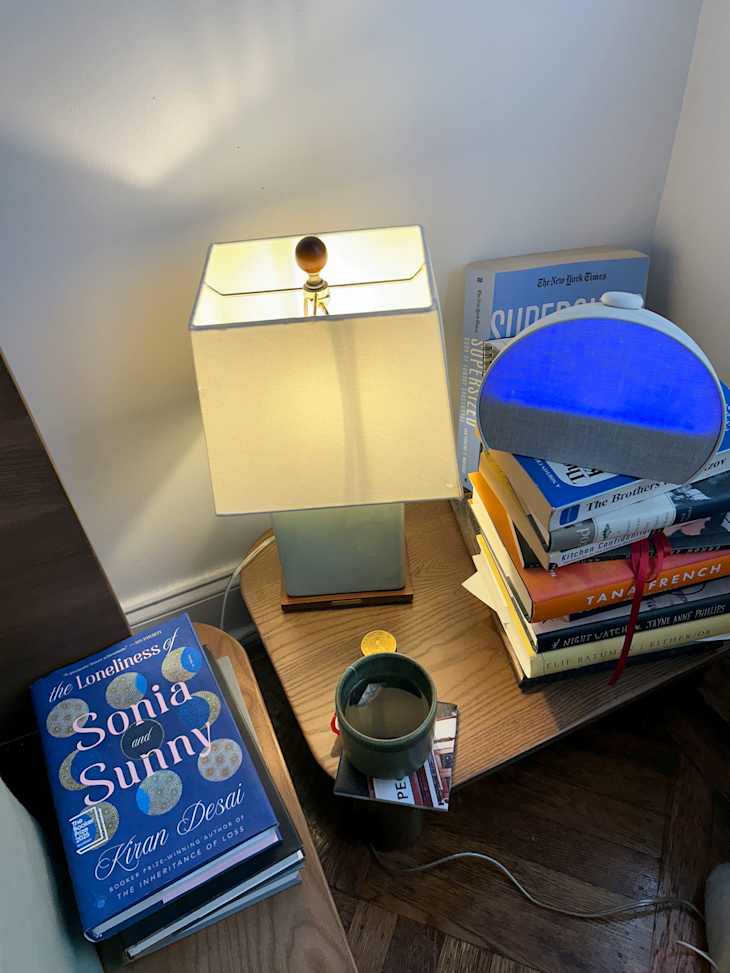
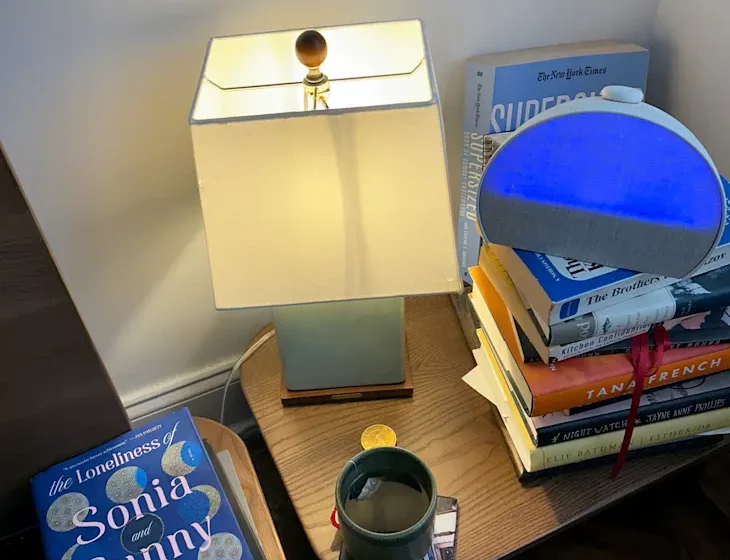
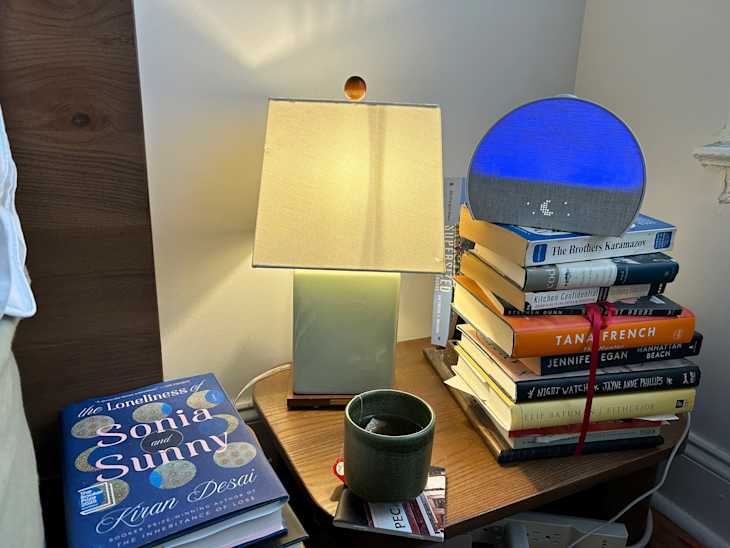
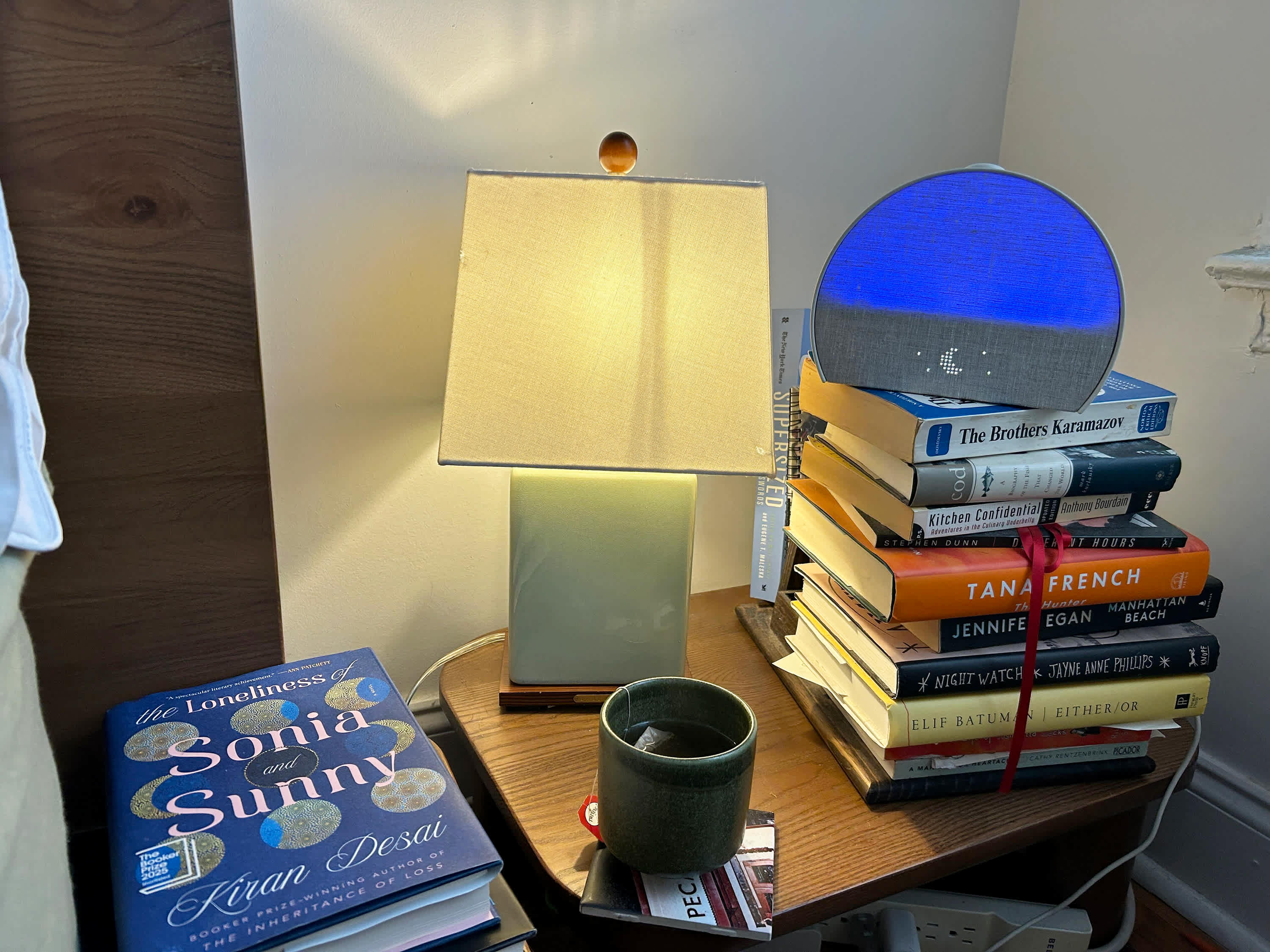
Francis went in already doing most of it. She had long written next-day to-do lists before logging off. She preferred lamps to overhead lighting after sunset. She slept with the window open and a fan running. So the ritual’s framework fit neatly around habits she had built without a Nordic label attached.
That left one genuinely new behavior: leaving her phone behind and switching off the TV a full hour before bed. It sounds like a small edit to an evening. It was not.
The Hardest Part Was the Phone
Francis described the difficulty as phone addiction compounded by muscle memory — the involuntary reach for a device that no longer needed to be there. Her phone had been doing real work in those hours: planning Peloton workouts, scrolling social media, answering texts. Removing it meant relocating all of that.
She had one structural advantage. A Hatch alarm clock sat at her bedside, so she never needed the phone as a timepiece. That removed the most common excuse for keeping it within arm’s reach. The habit persisted anyway.
Consistency was uneven. Francis mostly held the routine from Sunday or Monday through Thursday nights. Social plans and weekends disrupted it. Some nights she simply forgot the experiment altogether and used TikTok until 10:30 p.m. A concert on the first Friday of October left her with only a few hours of sleep.
What the Sleep Tracker Showed
She tracked her sleep with the Hatch Sleep app, and the results were mixed rather than triumphant. On nights when she read, she fell asleep earlier than on phone nights. Total sleep duration increased. But the quality metrics looked broadly similar, varying by roughly 20 minutes — a gap wide enough that Francis treated the data as inconclusive, especially given how inconsistently she had followed the ritual.
That caveat matters. The brief trial, interrupted by weekends and social life, cannot establish whether kvällsro itself drove the earlier bedtimes. Nor does it say anything about long-term effects or objective changes in sleep quality. What Francis reported is a pattern she noticed in her own logs, not a controlled finding.
The Books Piled Up
Fiction became her main analog activity, and the reading list grew. She finished several books during the month, including Hamnet, The Ministry of Time, and John of John. She began The Loneliness of Sonia and Sunny and planned to read Lapvona next.
The benefits she attributed to daily reading went beyond sleep. Francis said the habit improved her mood and her creative output. She wrote a poem for the first time in years — an outcome she linked to the reading itself, not to the sleep data.
Why She Wants to Keep Going
Francis plans to continue the ritual and adjust around its weak points. Her intended fixes are logistical: set up the Peloton workout stack at the end of the workday rather than during the evening, and finish Duolingo and text replies before the relaxation hour begins. Both moves push phone-dependent tasks earlier so the final hour can stay analog.
She describes herself as an extrovert with a busy schedule who previously relied on weekend shutdowns to reset after demanding stretches. Kvällsro appealed as a gentler, more regular way to unplug. A month in, the verdict is not that the ritual transformed her sleep. It is that removing the phone for one hour created space she wanted to keep — and that the hardest part of evening peace turned out to be putting down the thing she reached for without thinking.