

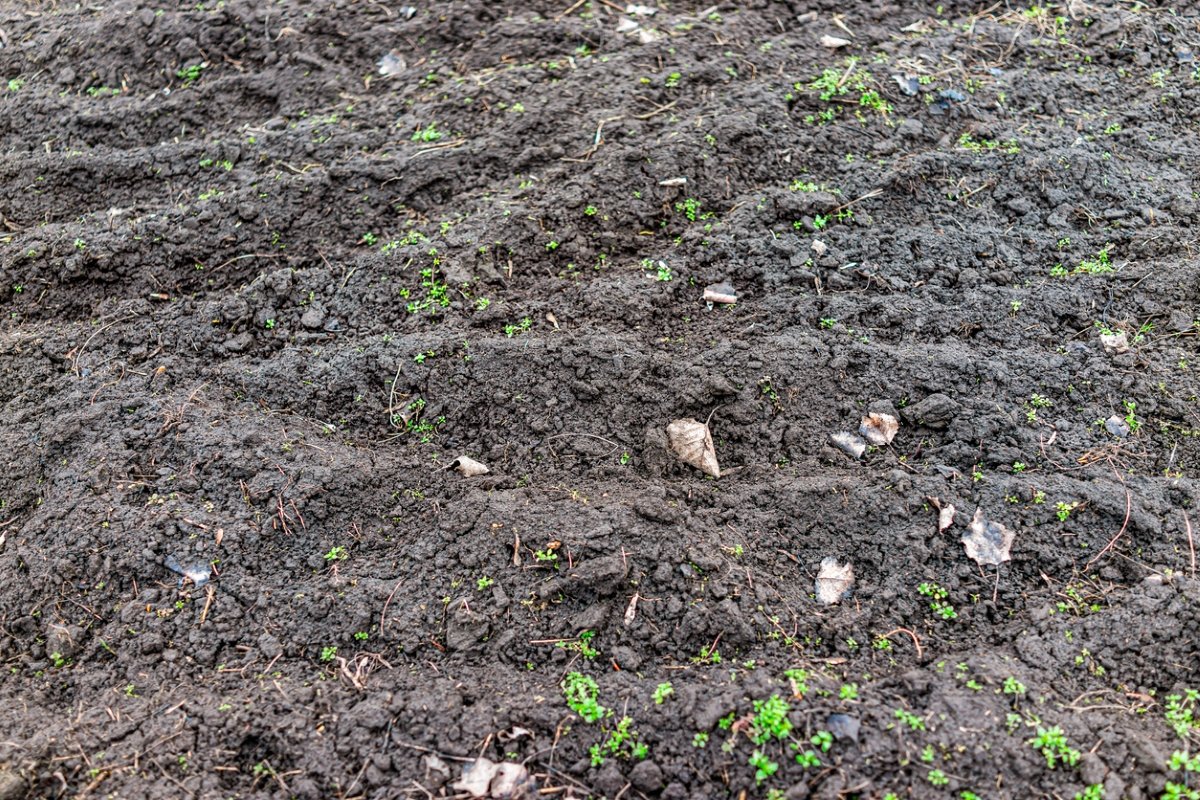
Fall gardening soil protection is less about putting the garden to bed than about leaving it in condition to work again. A growing season draws nutrients out of the soil through plant and microbial activity, and the bare, turned-over ground that follows harvest is exposed to erosion, topsoil loss, compaction and poor drainage. The fix is a set of practices that can be done between harvest and the first hard frost — and in some cases well into winter.
Peggy Riccio, a horticulturist and garden communicator at Pegplant.com, frames the problem plainly: nature abhors a vacuum. Left empty and unprotected, a bed will not stay as it was. The practical response is to keep something growing, keep something covering the surface, or both.
Start with cleanup, but keep the good material
The first task after harvest is removing spent vegetable plants. Riccio’s reason is disease control: plant material left in place can shelter pathogens that survive the winter and start the next season with an advantage. Diseased roots should come out as well.
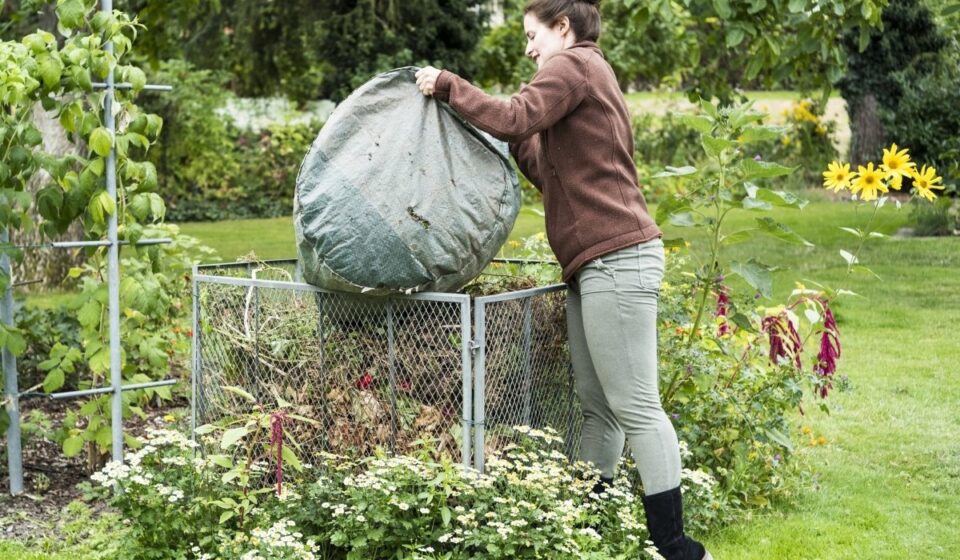
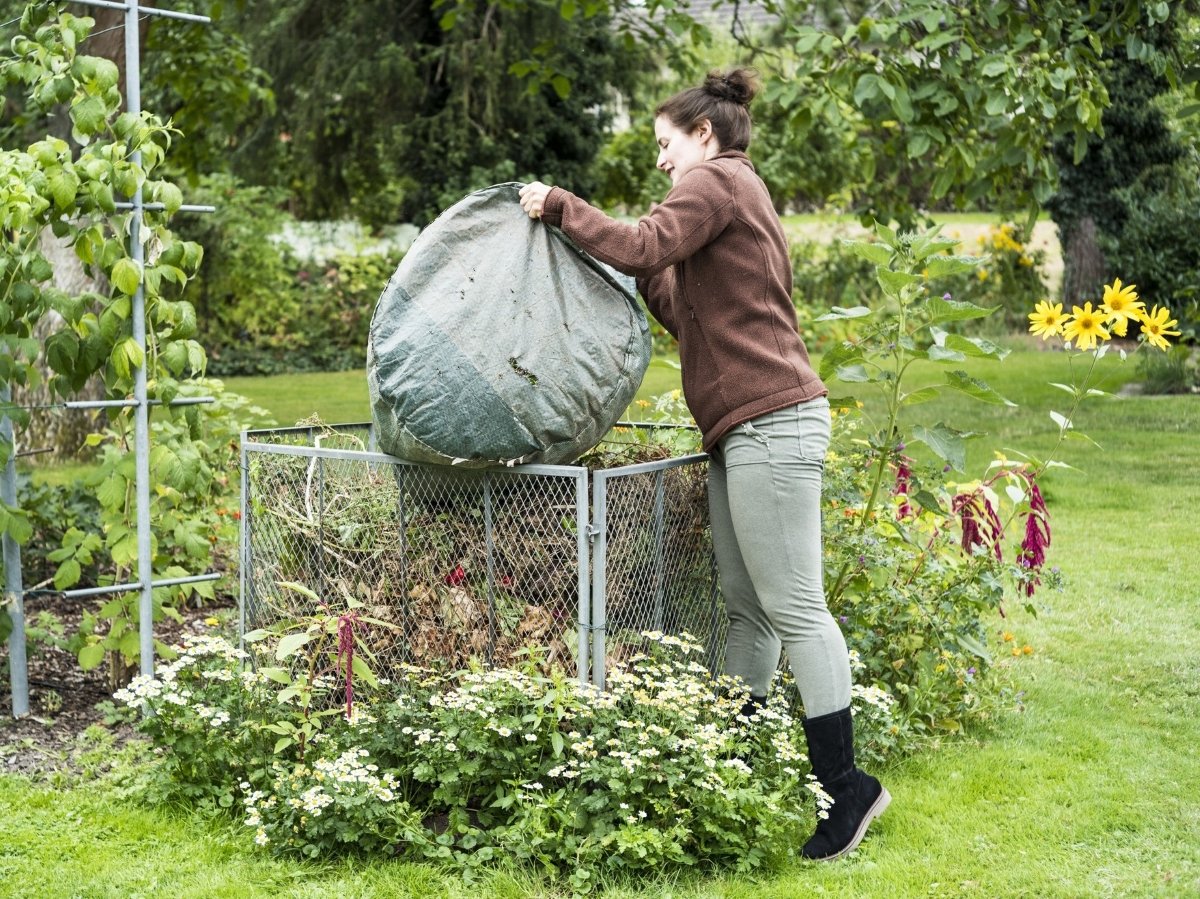
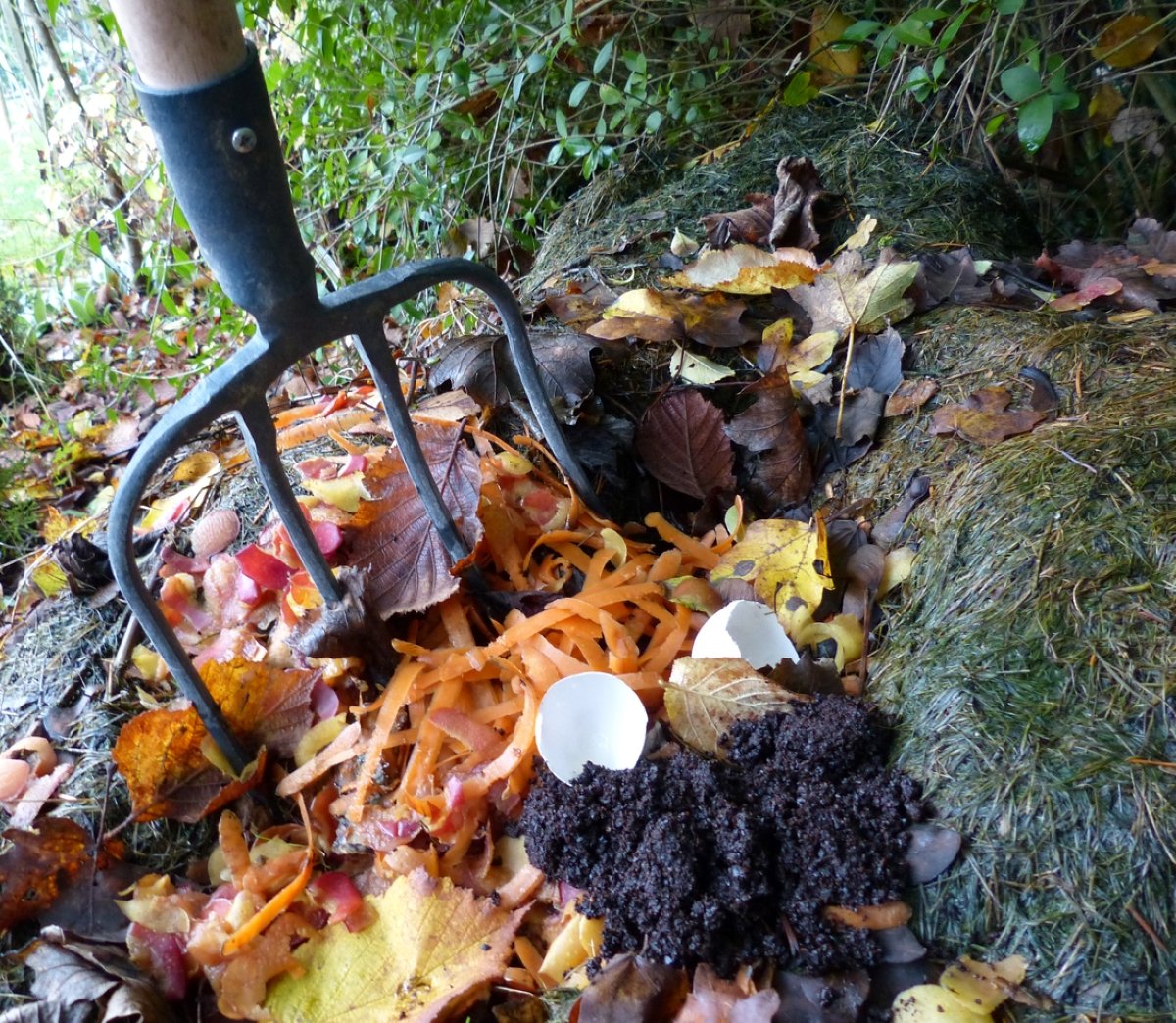
Healthy roots are a different matter. Left in the ground, they will be broken down by soil microbes and become part of the soil’s organic matter. The same logic applies to healthy plant debris above ground, which belongs in the compost pile rather than the trash. Composting generates enough heat to kill insects, disease spores and weed seeds, turning a disposal problem into an input for next year’s beds.
Loosen with care: tilling is not a universal fix
Tilling has a place, but a narrow one. For new beds, working the soil to a depth of 8 to 10 inches can be appropriate, and compacted areas may also need the treatment. Established beds generally do not.
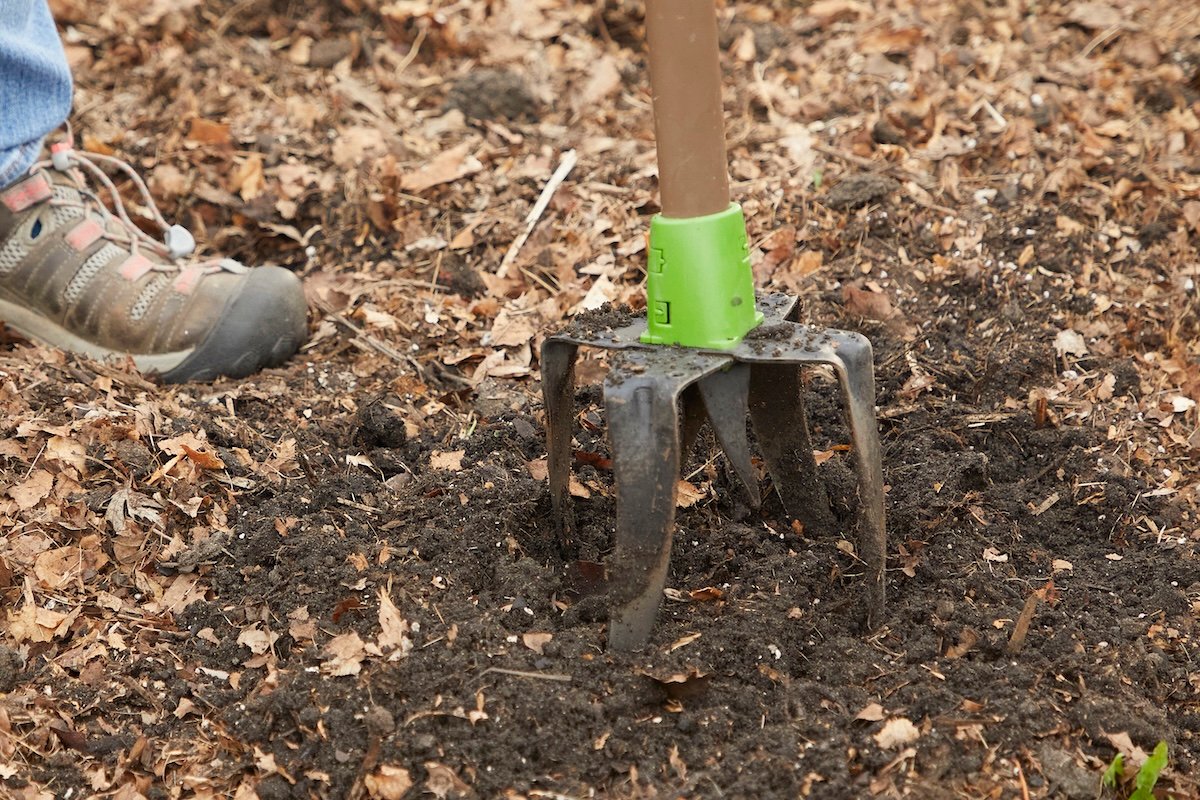
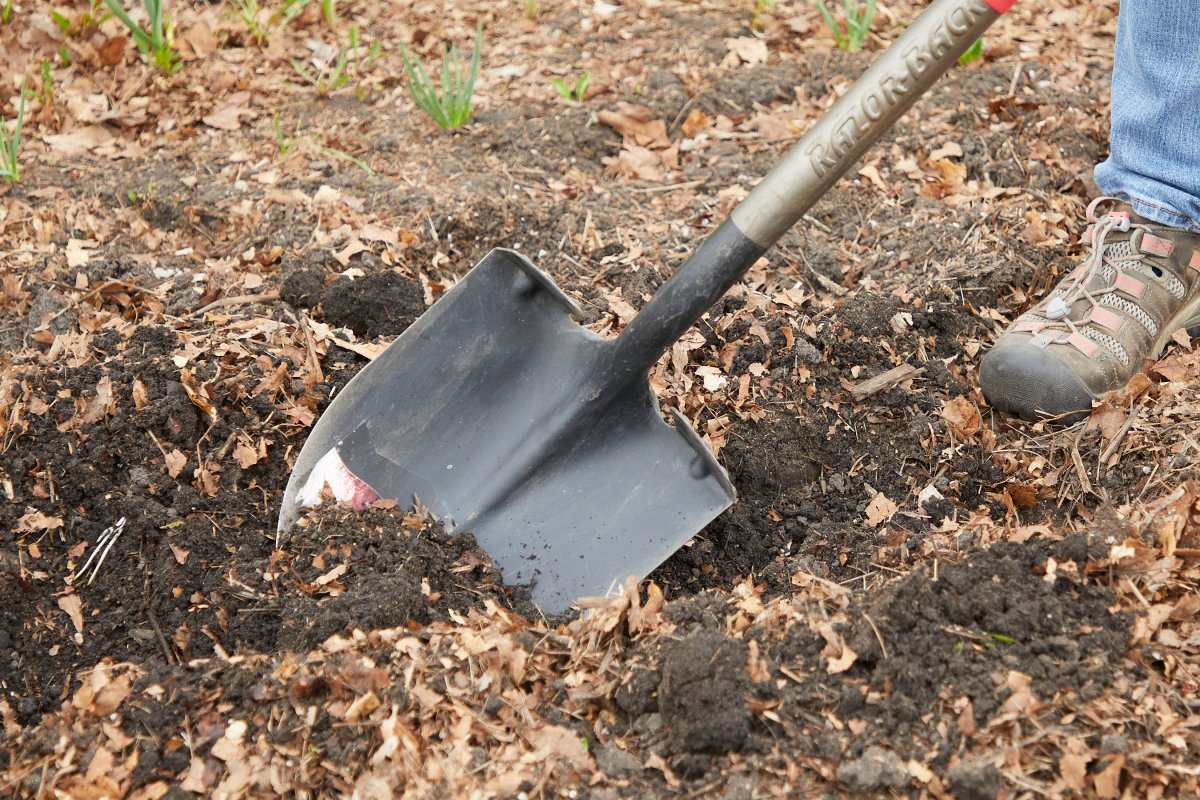
One reason is buried weed seed. Riccio notes that rototilling brings dormant weed seeds to the surface, where they can germinate. In beds that are already in production, a gentler approach is better: add compost, then aerate with a broadfork or a shovel. That opens the soil to air and organic matter without turning the profile upside down.
Keep something growing through the cold
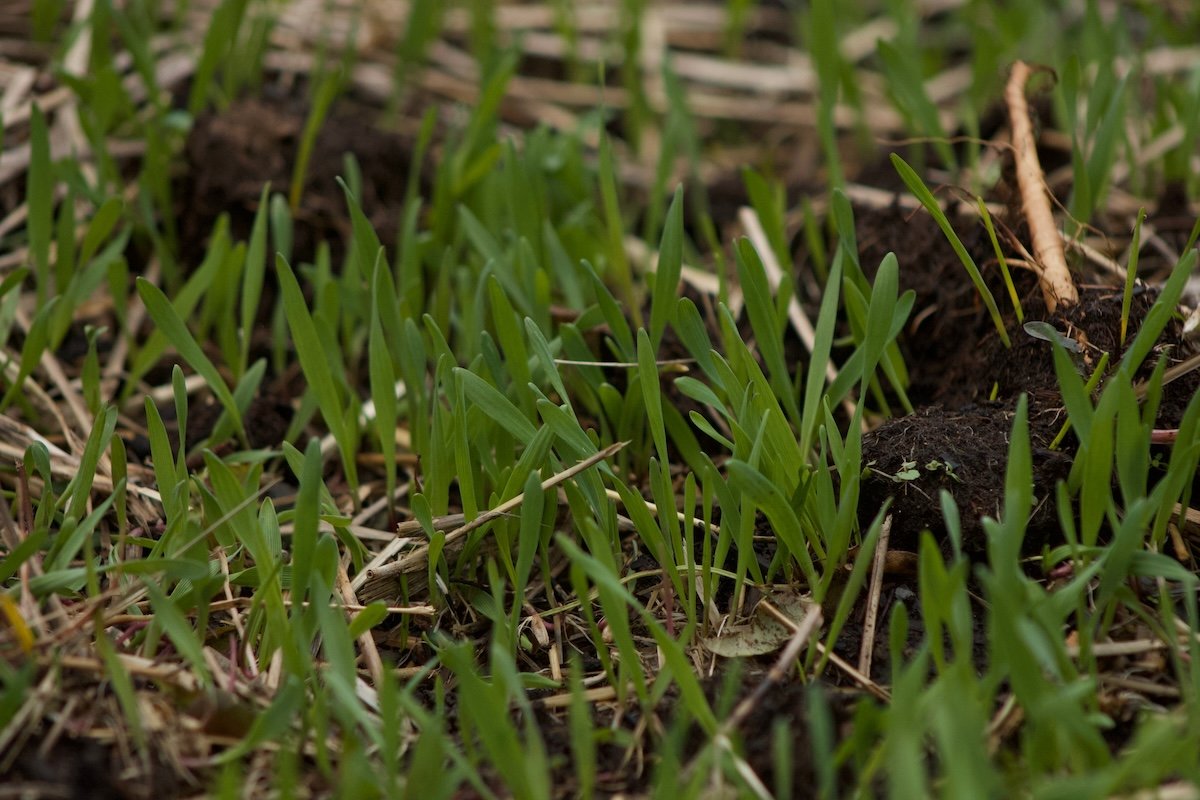
An actively growing plant reduces both compaction and erosion, which makes late-season planting a soil treatment as much as a harvest strategy. Cool-weather vegetables such as lettuce and spinach can hold a bed through fall. Where the goal is strictly soil improvement, cover crops — also called green manure — do the job. Common choices include winter rye, hairy vetch, winter peas and legumes. They scavenge nutrients that would otherwise leach away and reduce erosion and compaction while they grow. Riccio recommends checking with a local extension agent for cover crops suited to the area.
For cool-season vegetables that need protection, row cover is an option. North Carolina State Cooperative Extension data cited in the guidance puts two-ounce row cover protection at 24 to 28 degrees Fahrenheit, with 30 to 50 percent light transmission. That lets the crop keep growing while the soil stays covered.
Leaves are an asset, not a nuisance
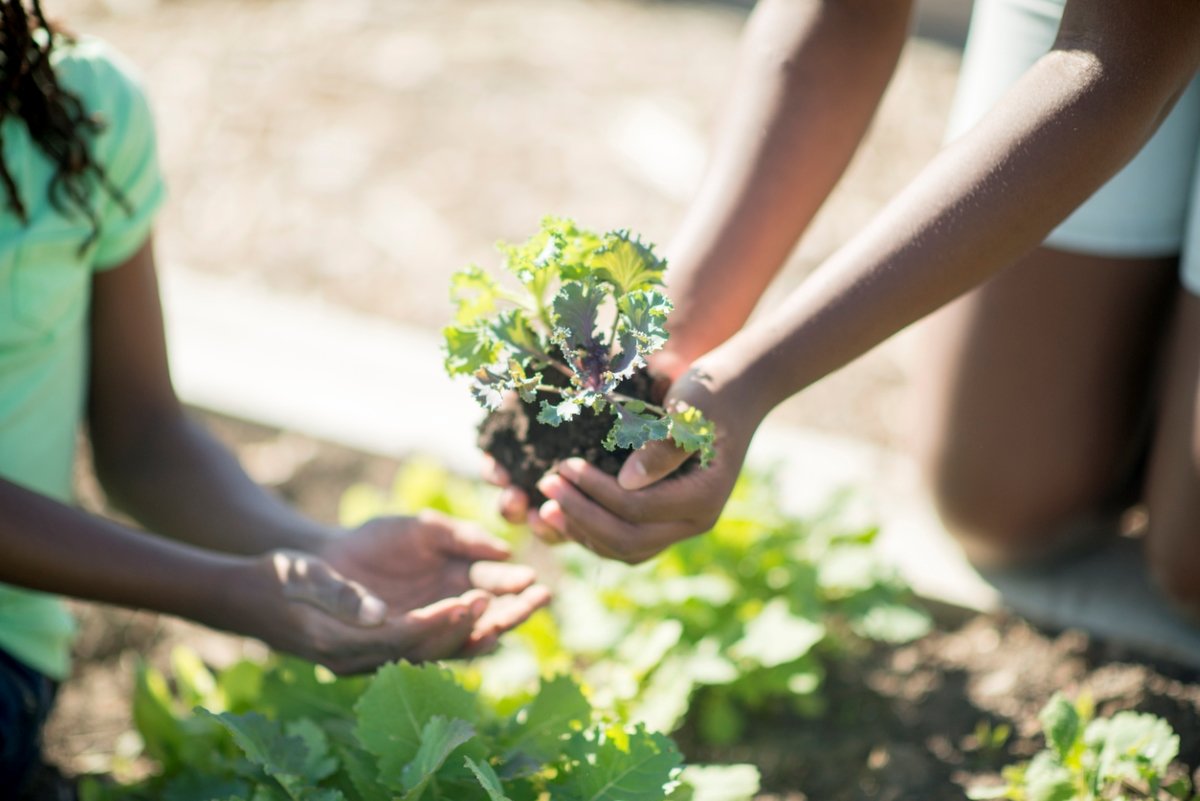
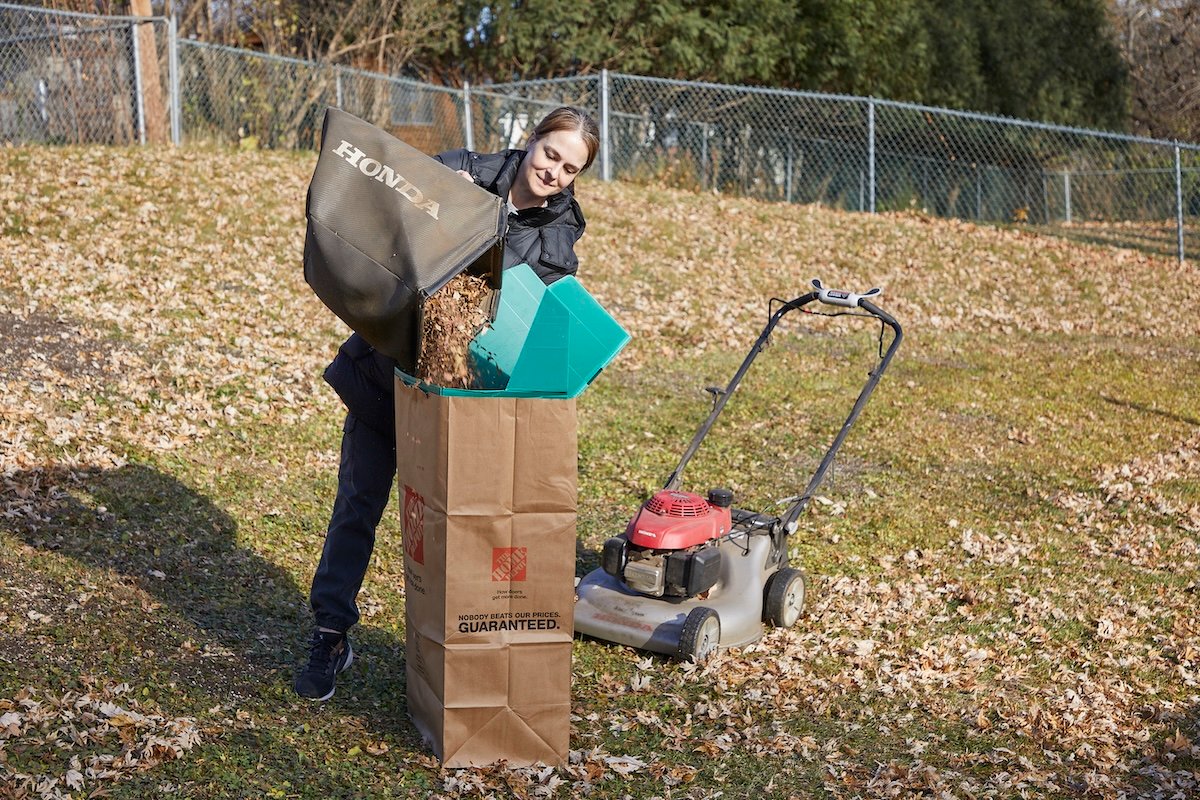
Fallen leaves offer trace minerals and food for earthworms. Shredded and spread in a 3-inch layer, they make a serviceable bed cover. On grass, the guidance is thinner — an inch or less of mulched leaves. A leaf pile about 2 feet deep is the working scale for holding and breaking down the material.
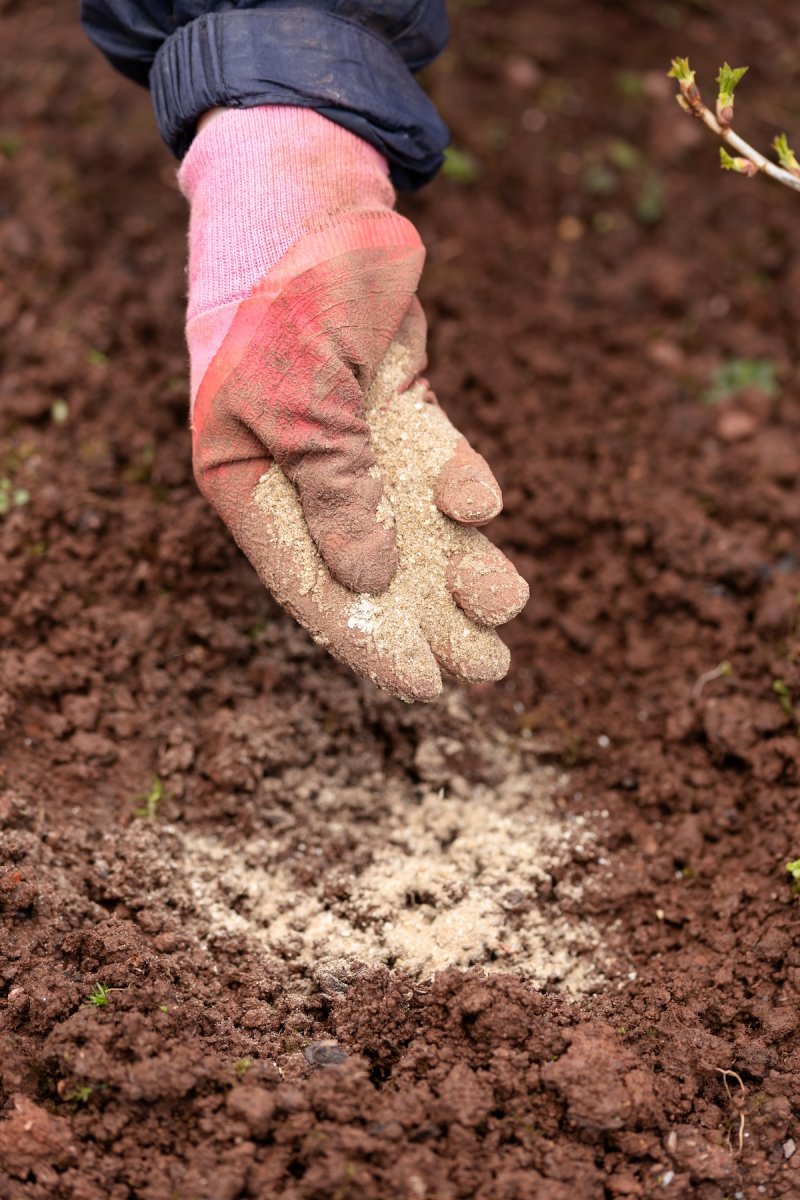
Compost is the other major organic input. Old compost can go out in fall to free bin space, and adding it to beds increases microbial living space in the soil. Organic amendments such as kelp meal, blood meal and bone meal break down slowly in cold weather, which makes fall a sensible time to apply them. Blood meal carries a caution: overuse can burn plants because of ammonia.
Manure timing and the mulch calendar
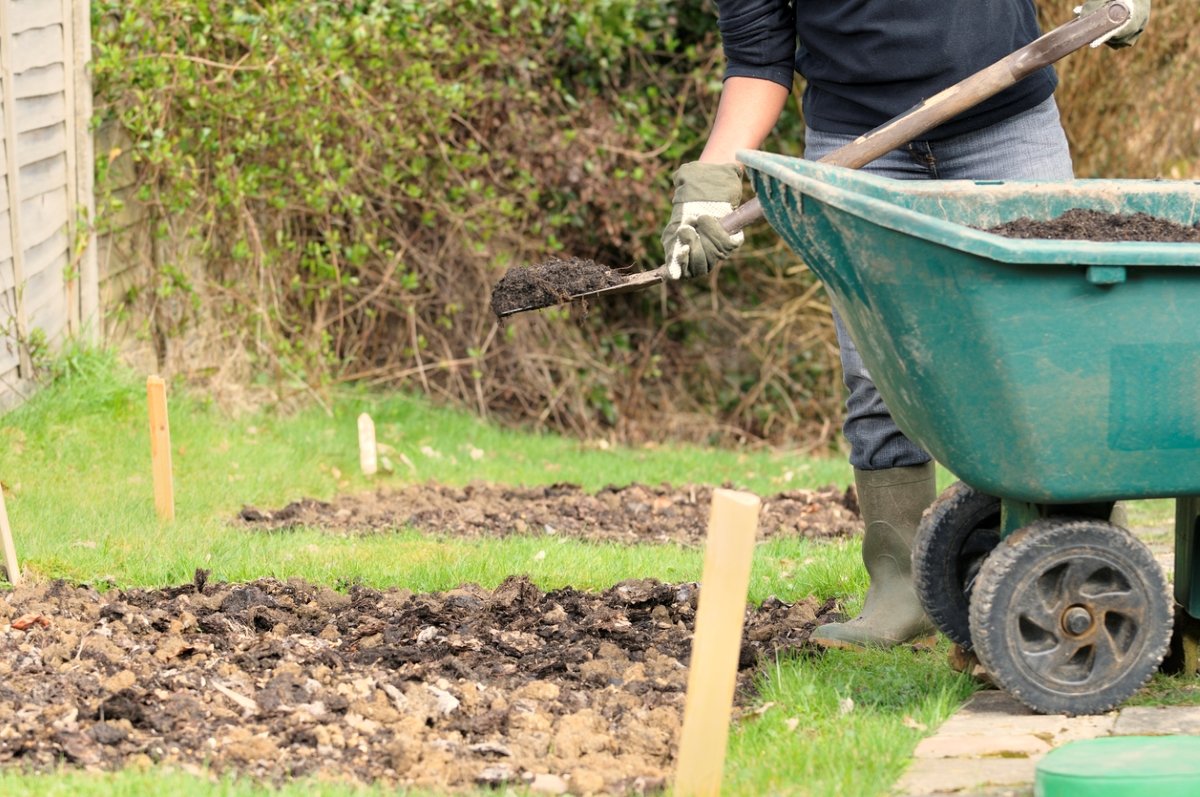
Fresh manure needs at least six months to age before planting, and the ammonia it releases leaches during that period. The recommended application window is when soil temperature drops to 50 degrees Fahrenheit.
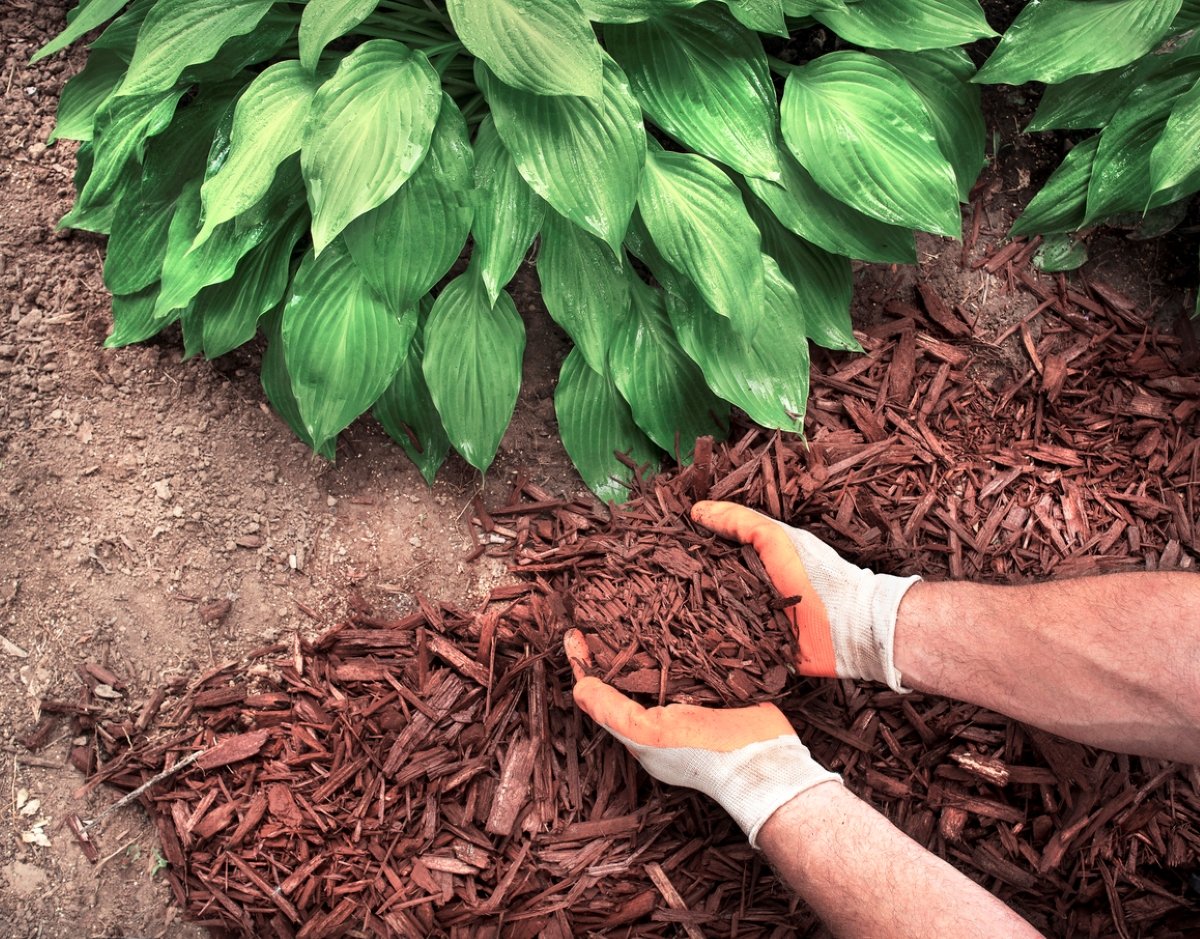
Mulch serves a different purpose: it stabilizes soil temperature near freezing. Perennials should be mulched after their tops die back and weeds have been removed. Tender shrubs are a separate case — wait until after the first hard frost before mulching them.
Empty beds can be covered with compost and a permeable fabric. The cover lets in some moisture while reducing compaction over winter. In spring, the cover comes off, the compost is incorporated and planting begins.
Weeds, mapping and crop rotation
Not every weed needs to be pulled in fall. Cool-weather weeds such as chickweed and henbit hold soil and scavenge nutrients. The guidance is to let them stand until late winter, then hoe the tops and compost them.
Fall is also the season for planning. Mapping the garden layout and working out crop rotation balances nutrients and reduces pests and diseases. A soil test for pH and nutrients should guide any amendment, and home test kits such as the MySoil Test Kit are available for the purpose.
Adjusting pH for specific plants
Most plants want a pH between 6 and 7. Lime raises pH in acidic soil; sulfur lowers it in alkaline soil. Riccio’s point is that the target depends on the soil test and on what is being grown.
Blueberries are the clear exception in the brief: they need acidic soil at pH 4.5 to 5.2, and sulfur can be added in fall. Hydrangea color is another pH-driven matter — aluminum sulfate applied in fall and spring acidifies the soil to shift color.
Two bed-building methods for fall
Hugelkultur and lasagna gardening both rely on layered organic material, and both benefit from an early start.
A hugelkultur bed uses a trench about 10 inches deep, with logs and plant debris layered from largest to smallest. Rotten wood is the usual base material. The bed sits over winter and breaks down gradually.
Lasagna gardening uses cardboard and alternating layers of green and brown organic matter. The cardboard feeds microbes and earthworms. Riccio describes the method as easy in small spaces. It is not instant: a lasagna bed takes several months to break down, which is why fall is the right time to build one.
Dormant sprays for fruit trees
Late fall or early winter is the window for dormant sprays — horticultural oil, sulfur and copper. These smother insects or their eggs and control fungi and bacteria. Dormant oil is used against scale on apples and pears, while copper spray controls peach leaf curl.
None of these practices is complicated on its own. The difficulty is sequence: cleanup before frost, amendments and cover crops while the soil is still workable, mulch on the right calendar for each plant, and sprays in the dormant window. Done in that order, the garden goes into winter covered, planted or both — and the soil that produced this year’s crop has a better chance of producing the next.

[…] Fall Soil Care: A Working To-Do List for Beds That Must Last Through Winter […]
[…] Fall Soil Care: A Working To-Do List for Beds That Must Last Through Winter […]